
 German (DE)
  English (US)
  Spanish (ES)
  French (FR)
  Hindi (IN)
  Italian (IT)
  Russian (RU)
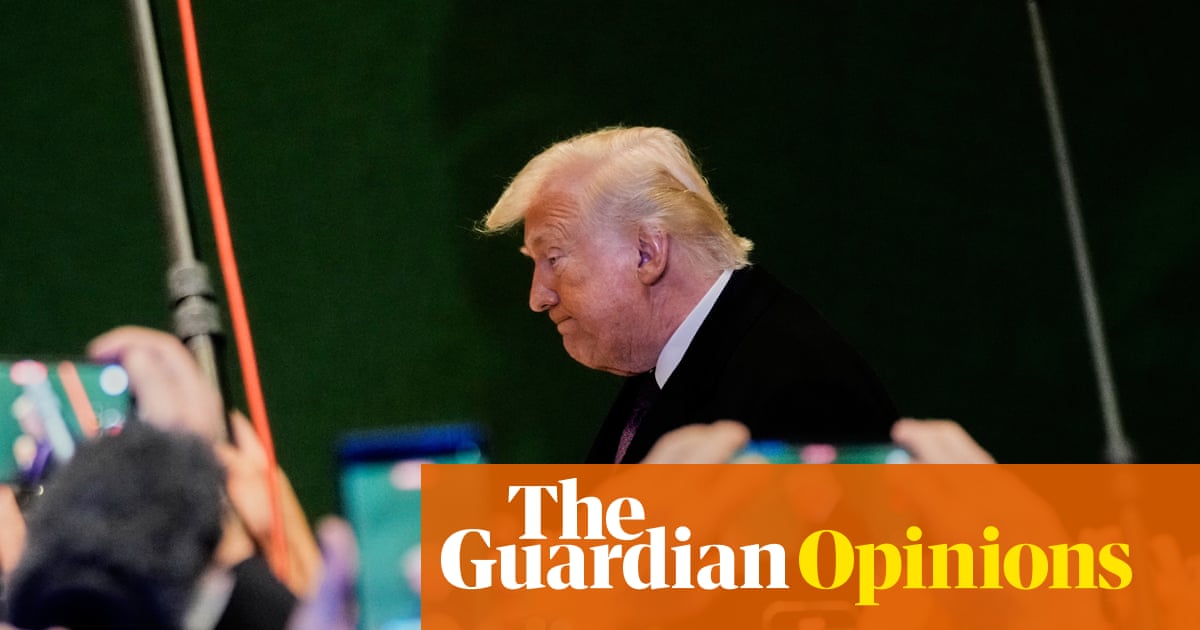
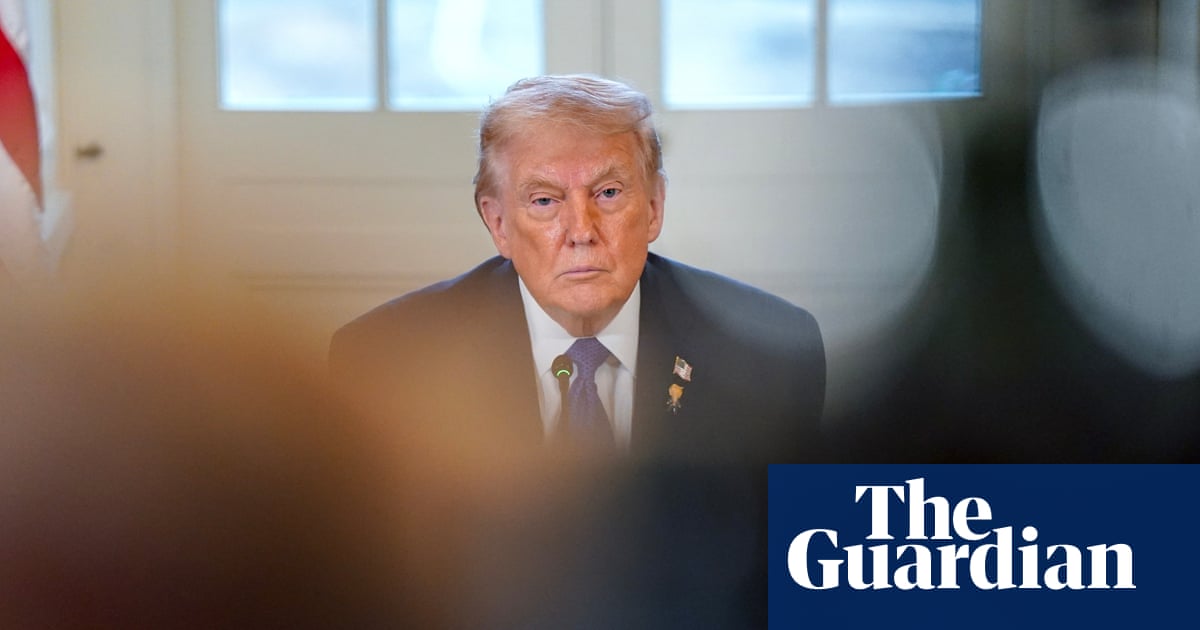
 DAVOS, Switzerland (AP) — U.S. President Donald Trump took center stage in his whirlwind visit to the World Economic Forum in Davos this week, overshadowing the yearly gabfest among national leaders, executives and other elites in the Swiss Alpine snows.
While some experts highlighted business leaders' ambitions to leverage AI for productivity, efficiency and profits or a boom in renewable energy investment led by China, Trump largely stole the show when it came to politics. Climate and other concerns didn't draw the same attention as in past years at the event that ended Friday.
“I think there were two Davoses," said Jane Harman, a former Democratic Congresswoman. "One of them was very senior industrial leaders talking about AI. ... The second was foreign policy, or geopolitics, and that was dominated by one person.”
On his third visit to Davos while president, Trump came and went over about 24 hours. He delivered a rambling and at times hyperbolic speech that touted America’s global role.
Unlike his previous trips to Davos among adoring corporate chiefs, Trump faced criticism from the likes of Gov. Gavin Newsom of California, who repeatedly spoke to media scrums in the Congress Center.
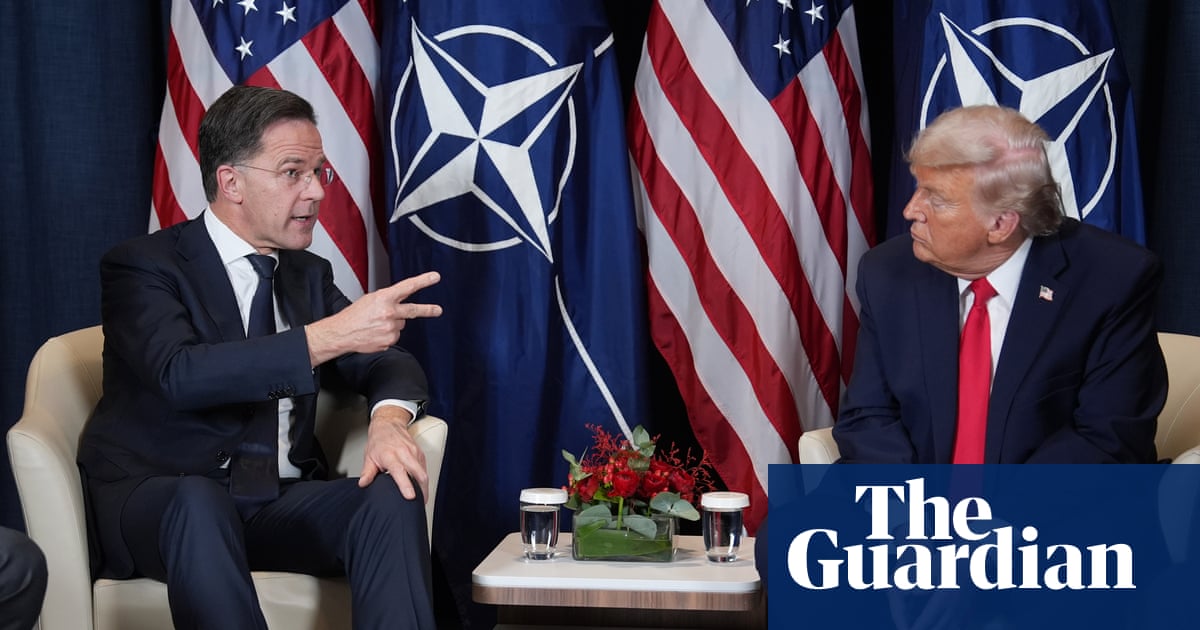
Still, others were more congratulatory: NATO chief Mark Rutte and Ukrainian President Volodymyr Zelenskyy, who met with Trump in Davos, praised his efforts to help end Russia’s war in Ukraine, boost Western defense and deliver security guarantees to Kyiv.
One narrative that emerged in Davos: The U.S. under Trump and its Western allies have grown too divided. Canadian Prime Minister Mark Carney spoke of a “rupture” that would never be repaired.
A backpedal on Greenland
In the runup to his trip to Davos, Trump sowed new discord with America's longtime allies in Europe by announcing plans to set new tariffs on eight European countries who opposed his takeover bid for Greenland — a semiautonomous territory of NATO member Denmark.
By Wednesday, amid an uproar at home and abroad, Trump had backed off in a dramatic reversal — not long after insisting he wanted to get the island “including right, title and ownership.”
In a post on his social media site, Trump said he had agreed with NATO chief Rutte on a “framework of a future deal” on Arctic security, potentially defusing tension that had far-reaching geopolitical implications.
‘Board of Peace’ lures some, bristles others
Trump launched his Board of Peace to spearhead efforts at maintaining a ceasefire in Israel’s war with Hamas, and eventually help underpin efforts to map a future of the war-torn Gaza Strip.
The idea drew support from countries as diverse as Belarus, Kosovo, Indonesia and Argentina, but critics — including longtime U.S. allies in Europe — oppose it. They reject his claim that it could rival the United Nations one day.
Some critics said details were scarce about how the Board of Peace will work — under the chairmanship of Trump himself — and suggested the better move would be to reinforce and improve current U.N. structures, not replace them.
“I think they were trying to duplicate — replicate — what happened when the United Nations came about," Amnesty International Secretary-General Agnes Callamard said in an interview. "But frankly it was a very poor and sad attempt to repeat what happened in the 1940s.”
AI an alternative
Artificial intelligence was — as usual in recent times — a hot topic: Billionaire Elon Musk and Nvidia CEO Jensen Huang made their Davos debuts.
Musk, who had previously called the WEF event “boring,” jetted in with little advance notice to discuss robotics, address AI's electricity demands and gently rebuke the Trump administration for imposing tariffs on Chinese solar panels.
Huang pushed back on fears that the AI boom might wipe out jobs, saying it would create work for people building out its infrastructure, such as “plumbers and electricians and construction and steel workers and network technicians.”
The U.S.-China rivalry got a mention from another AI chieftain: Anthropic CEO Dario Amodei compared the Trump administration’s move to green-light sales of an advanced Nvidia chip to selling nuclear weapons to Pyongyang.
But overall, it was can-do optimism among technology, AI and other business executives encapsulated the stated motto and mindset of the forum to improve the world and promote dialogue — not fear and doom-and-gloom predictions about the future.
“I want to end this forum with the quote that Elon Musk said in closing yesterday’s session — that it’s better to be an optimist and wrong than be a pessimist who’s right,” said forum co-chair Larry Fink, the BlackRock chairman and CEO, at the closing ceremony.
___
Associated Press writer Kelvin Chan in London contributed to this report.














Comments