
 German (DE)
  English (US)
  Spanish (ES)
  French (FR)
  Hindi (IN)
  Italian (IT)
  Russian (RU)
  2 hours ago
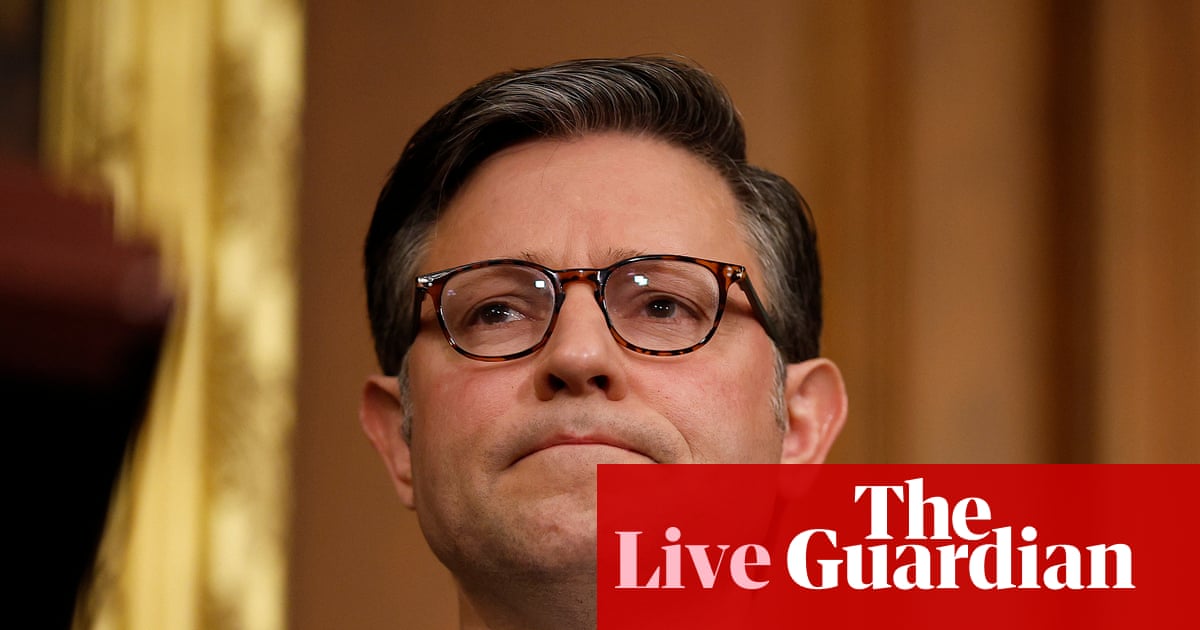
Lawmakers in the U.S. House of Representatives set April 21, 2026, as the date to hear from and question top Pentagon officials Adm. Brad Cooper, the head of U.S. Central Command, and Gen. Dagvin R.M. Anderson, head of U.S. Africa Command, about the war in Iran. But Republican legislators put off the hearing for a month, giving up – for now – the opportunity to exercise oversight of the war.
Adam Smith, the top Democratic member of the House Armed Services Committee, told The New York Times, “We are six weeks into this conflict. And we still haven’t gotten a public briefing from anyone in the administration about the war.”
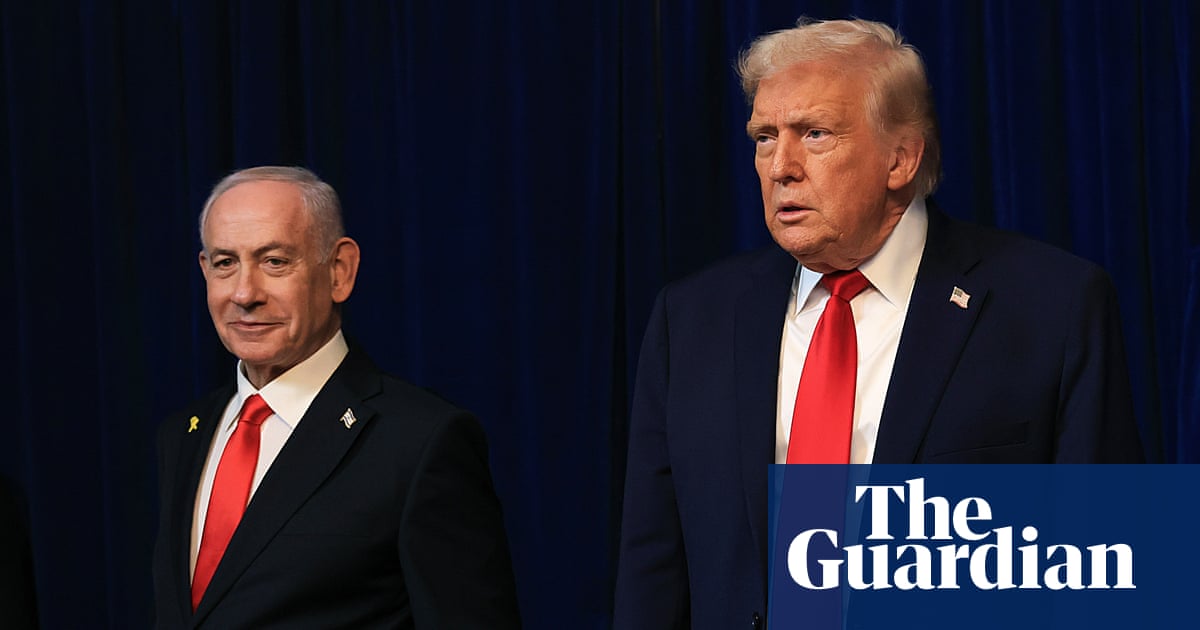
President Donald Trump’s military campaign against the Iranian regime is currently in a ceasefire. Despite the low approval rating of the war, the president has not drawn the conflict to a close, and the result of the operation is so far unclear.
The postponed hearing was only one example of how Congress has been noticeably meek about the war, with most Republicans killing the many Democratic efforts to exercise constitutionally granted power over engaging in such military conflicts. For the fourth time, the Senate on April 16, 2026, rejected a war powers resolution.
As scholars who research war powers and have a book coming out about President Barack Obama’s decision-making about the Afghan war, we know that the reluctance of Congress to assert its power is, in fact, history repeating itself, as is the president’s unilateral action.

Historically meek Congress
Article 1 of the U.S. Constitution gives Congress the power to declare war, not the president. But most modern presidents and their legal counsel have asserted that Article 2 of the Constitution allows the president to use the military in certain situations without prior congressional approval – and have acted on that, sending troops into conflicts from Panama to Libya with no regard for Congress’ will.
Based on the 1973 War Powers Resolution – passed over President Richard Nixon’s veto – the president has an obligation to inform Congress about his actions within 48 hours of initiating military action and requires him to seek legislative authorization if the military operation will last over 60 days.
Since its passage, presidents have dutifully informed Congress within the 48-hour window when they unilaterally initiate military operations. Typically, they use the following language: “Pursuant to” their power as commander in chief and chief executive, they are initiating an operation.
Yet presidents since Nixon have never formally acknowledged the constitutionality of the War Powers Resolution. They have, however, mentioned it in their letters to Congress about their actions, and for the most part they have abided by its restrictions. So language is crucial and presidents tend to use the phrase “consistent with” the War Powers Resolution when they inform Congress about military operations.
The second Trump administration has broken with that standard. In Trump’s message to Congress about the Iran war, sent on March 2 2026, he did not acknowledge the War Powers Resolution or the Constitution, let alone pay lip service to either.
Instead, Trump has sidestepped the traditional use of the War Powers Resolution – and avoided the congressional oversight that comes with it – by relying on executive orders to convey his intent to use military power against the Iranian regime. That move, whether legal or not, has provided the president with a great deal of freedom to decide what the military can do, what tools they can use to do it and how long they can do it. His decision to send another carrier group and the addition of thousands of U.S. troops to the region is just the latest example.
Congress has proved incapable or unwilling to check this presidential unilateralism. Shortly after the start of the military campaign against Iran, Democratic Sen. Chris Murphy introduced war powers legislation to constrain Trump that failed to pass the Senate. In the House on March 5, members narrowly rejected a resolution to impede a broader or longer operation.
To a meaningful extent, we are watching history repeat itself: Over the past seven decades during times of war, members of Congress have not wanted to act, and presidents have not wanted to ask permission.
From alacrity to deference
Presidents Woodrow Wilson and Franklin D. Roosevelt made their case for war and obtained a formal declaration from Congress within three days in 1917 and within the same afternoon in 1941, respectively.
Since the start of the Korean War, however, members of Congress have demonstrated more deference and less assertiveness.
In Korea, President Truman did not get congressional authorization for the war.
Following North Korea’s invasion of the South in June 1950, Truman bypassed Congress, making his case for war to the United Nations Security Council. In July 1950, United Nations Security Council Resolution 84 “authorized the United States to establish and lead a unified command comprised of all military forces from UN member states, and authorized that command to operate under the UN flag.”

Truman’s rhetoric about American combat operations on the Korean peninsula being part of a U.N. “police action” became increasingly tenuous, but he managed to avoid seeking congressional permission. In doing so, Truman created a precedent in which a congressional declaration of war was no longer necessary for the American military to carry out combat operations. Sen. Robert Taft, a Republican, opposed this lack of congressional deliberation, declaring that Truman’s actions represented a “usurpation” of the war powers authority.“ But Congress did nothing to stop the war as the tactical and strategic picture in Korea stalemated.
In Vietnam, in the aftermath of the 1964 Gulf of Tonkin incident – a purported attack by the North Vietnamese on American naval vessels that did not, in fact, occur – President Lyndon Johnson used the alleged crisis to push for congressional authorization for the escalation of force in Southeast Asia.
Johnson presented the Gulf of Tonkin Resolution to Congress, which quickly passed it. The resolution allowed Johnson to freely escalate American military involvement in Southeast Asia with a vague authorization to engage militarily as he saw fit, in contrast to the very clear declarations of war that came before it for previous wars.
Col. Harry G. Summers, who wrote an influential strategic analysis of the Vietnam War, points to the Gulf of Tonkin Resolution as evidence that the relevant actors – the executive, Congress and the military – failed to foresee the scale of the course of action they were embarking on.
The resolution significantly increased the president’s freedom of action – and freedom from oversight – and marked a major step toward the Americanization and escalation of the war in July 1965. Despite the deeply troubled engagement in South Vietnam and the passage of the War Powers Resolution, we still see presidents acting alone, without consulting members of Congress, let alone getting authorization.
Refusing responsibility
In Summers’ Vietnam postmortem, he relates a telling anecdote of a professor at West Point. The professor, an Army officer, remarked, "When people ask me why I went to Vietnam I say, ‘I thought you knew. You sent me,’” a comment indicative of “the civilian sector’s growing refusal to take responsibility for the kind of army it needs.”
In the case of Trump’s decision-making concerning hostilities with Iran, Americans will one day need answers to the questions: Why did the United States engage in this war with unclear political objectives? And why did Congress allow it to continue?
This story contains material from an article published on March 6, 2026.
















Comments