
 German (DE)
  English (US)
  Spanish (ES)
  French (FR)
  Hindi (IN)
  Italian (IT)
  Russian (RU)
  2 hours ago
House votes to extend Fisa surveillance law for 10 days
Hello and welcome to our live coverage of US politics.
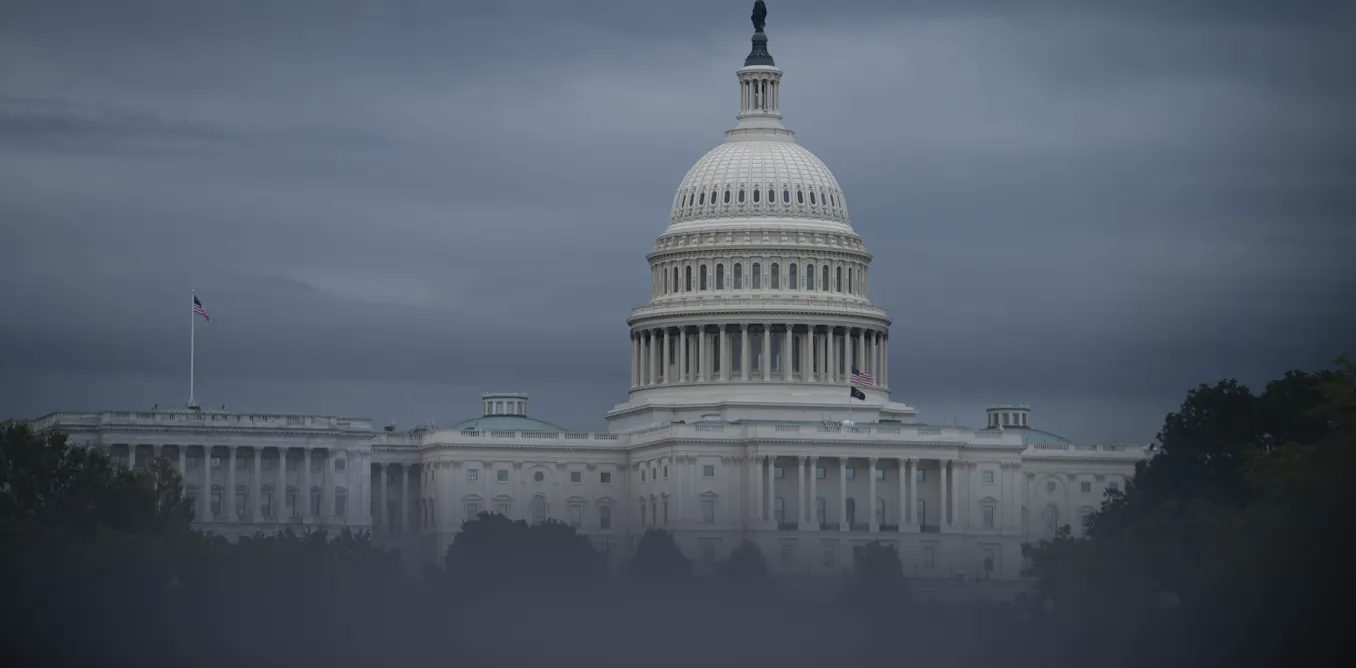
The House of Representatives voted early on Friday to briefly extend an expiring and controversial law that grants the US government sweeping powers for warrantless surveillance.
The decision to extend Section 702 of the Foreign Intelligence Surveillance Act (Fisa) until April 30 came via unanimous consent shortly after a 208 Democrats and 20 Republicans came together to defeat attempts to pass five-year and 18-month renewals.
First enacted in 2008, Fisa’s Section 702 allows national security agencies to collect and review texts and emails sent to, and from, foreigners living outside the country, without a warrant. This would also cover any communications between Americans who are talking to non-American targets living board.
The law was originally set to expire on Monday, as the law includes a provision that notes the law will expire without periodically being reauthorized.
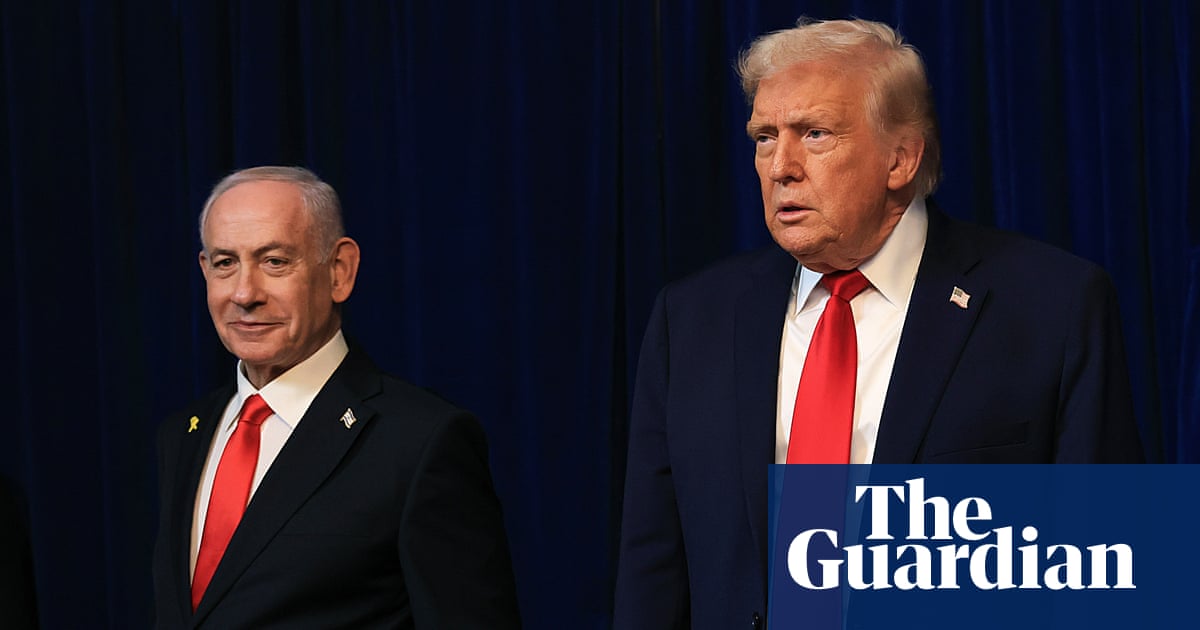
Donald Trump had been pushing for an 18-month extension, posting on Truth Social that the law was an “effective tool to keep Americans safe” and “extremely important to our military”, especially during the war in Iran – a dramatic shift from his call two years ago to “KILL FISA” after accusing the FBI of misusing the law to spy on his 2016 campaign.
While the CIA credits Section 702 with helping to rescue hostages overseas and prevent a terror attack at a Taylor Swift concert in Vienna, critics warn that it allows the US government to spy on Americans without a warrant. Prior to the vote, California congressman Ro Khanna posted on X that it “gives Donald Trump the power to surveil or collect data on Americans through a back door”.
“A yes vote gives Trump more power to surveil Americans,” Khanna said. “Every Democrat must vote no. Everyone who loves the constitution must vote no.”
In other developments:
-
Donald Trump announced a 10-day ceasefire in Lebanon to be followed by a meeting between Israeli and Lebanese leaders next week.
-
Progressive Democrat Analilia Mejia won a New Jersey special election for the US House on Thursday. Mejia, who was endorsed by Elizabeth Warren and Alexandria Ocasio-Cortez, is far more critical on Israel and was the only candidate in the Democratic primary to call Israel’s actions during the war in Gaza a genocide.
-
Todd Lyons, the acting director of US Immigration and Customs Enforcement (ICE), is stepping down after a turbulent year carrying out Donald Trump’s immigration agenda.
-
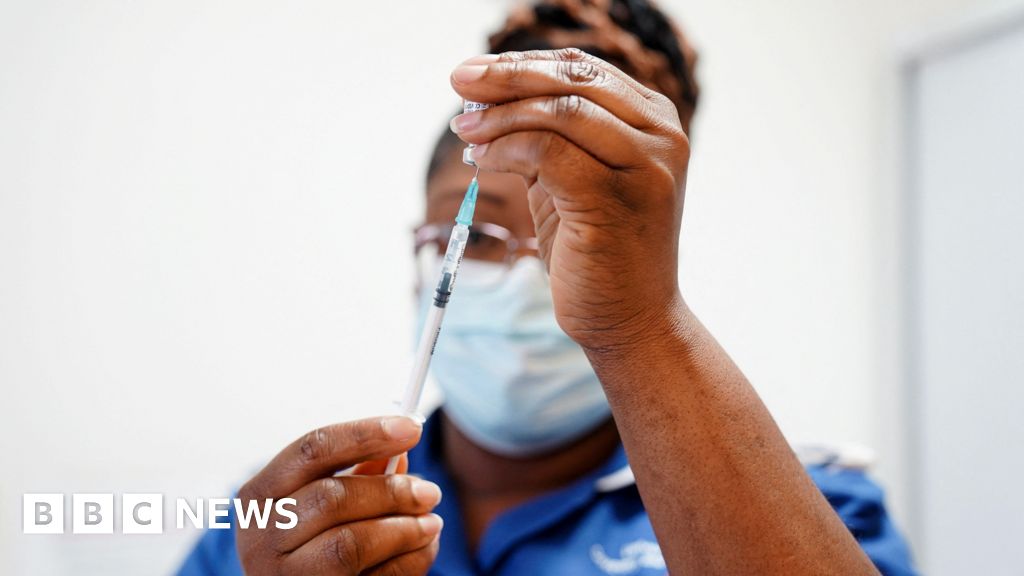
Donald Trump nominated Erica Schwartz, former deputy surgeon general during his first administration, to lead the Centers for Disease Control (CDC).
-
Schwartz was under immediate pressure from critics of the health secretary, Robert F Kennedy Jr, to oppose his anti-vaccine ideology. At a heated oversight hearing, House Democrats grilled Kennedy over his vaccine rollbacks.
-
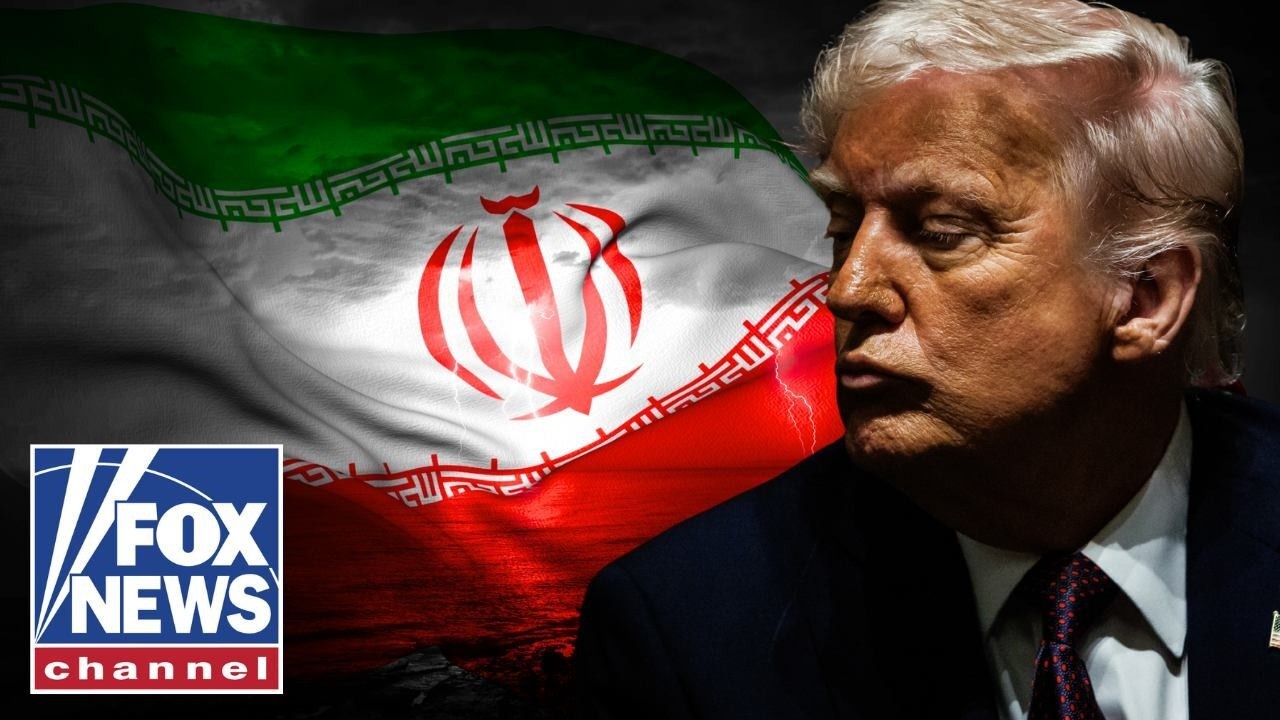
Speaking in Las Vegas, Trump told supporters “the war in Iran is going along swimmingly, we can do whatever we want.” He did not explain why, then, the US military has been unable to stop Iran from closing the strait of Hormuz.
-
The US Department of Justice opened an investigation into Eric Swalwell following his resignation from Congress, according to a source familiar with the matter.
-
Police in Illinois responded Wednesday evening to the home of Pope Leo’s brother, John Prevost, after a bomb threat was made, NBC Chicago reported.
Key events Show key events only Please turn on JavaScript to use this feature
Acting ICE director Todd Lyons will step down at the end of May, says DHS

Sam Levin
Todd Lyons, the acting director of US Immigration and Customs Enforcement (ICE), is stepping down after a turbulent year carrying out Donald Trump’s immigration agenda.
Lyons, who has been leading the agency since March 2025, will resign at the end of May and move to the private sector, Markwayne Mullin, the Department of Homeland Security secretary, said in a statement on Thursday.
Mullin’s statement did not include details about who will succeed Lyons, and DHS and the White House did not immediately respond to inquiries.
Lyons’ departure comes as ICE faces escalating backlash over its violent and aggressive tactics across the country, including the recent shooting of a California man during a traffic stop, which Lyons defended.
Here are some more details on the political lines forming around Section 702 of the Foreign Intelligence Surveillance Act (Fisa):
The Guardian’s Sanya Mansoor writes that Republicans appear to be divided on the issue. Jim Jordan, a chairman of the House judiciary committee, voted against extending Section 702 two years ago, writing in a Washington Post op-ed last April that without a warrant requirement, “the government’s surveillance power will always be subject to abuse” – but as of last month, he, like Trump, called for a clean extension.
Mike Johnson, the Republican House speaker, had previously delayed the reauthorization following concerns raised by hardline Republicans about warrantless surveillance. In total, 20 Republicans voted against advancing the 18-month extension.
Some Democrats also appear to have conflicting views on the issue. Jamie Raskin, a ranking member of the House judiciary committee, voted to renew the law in 2024, now opposes a renewal without reform, writing in a letter to his colleagues that he believes the “safeguards put in place in 2024 have been badly eroded by the Trump Administration”.
“These reforms relied on internal watchdogs to keep the intelligence agencies in line and on the Administration to accurately report its own abuses to Congress and the courts,” he wrote.
Four Democrats crossed party lines to vote with the Republican majority to pass the renewal.
House votes to extend Fisa surveillance law for 10 days
Hello and welcome to our live coverage of US politics.
The House of Representatives voted early on Friday to briefly extend an expiring and controversial law that grants the US government sweeping powers for warrantless surveillance.
The decision to extend Section 702 of the Foreign Intelligence Surveillance Act (Fisa) until April 30 came via unanimous consent shortly after a 208 Democrats and 20 Republicans came together to defeat attempts to pass five-year and 18-month renewals.
First enacted in 2008, Fisa’s Section 702 allows national security agencies to collect and review texts and emails sent to, and from, foreigners living outside the country, without a warrant. This would also cover any communications between Americans who are talking to non-American targets living board.
The law was originally set to expire on Monday, as the law includes a provision that notes the law will expire without periodically being reauthorized.
Donald Trump had been pushing for an 18-month extension, posting on Truth Social that the law was an “effective tool to keep Americans safe” and “extremely important to our military”, especially during the war in Iran – a dramatic shift from his call two years ago to “KILL FISA” after accusing the FBI of misusing the law to spy on his 2016 campaign.
While the CIA credits Section 702 with helping to rescue hostages overseas and prevent a terror attack at a Taylor Swift concert in Vienna, critics warn that it allows the US government to spy on Americans without a warrant. Prior to the vote, California congressman Ro Khanna posted on X that it “gives Donald Trump the power to surveil or collect data on Americans through a back door”.
“A yes vote gives Trump more power to surveil Americans,” Khanna said. “Every Democrat must vote no. Everyone who loves the constitution must vote no.”
In other developments:
-
Donald Trump announced a 10-day ceasefire in Lebanon to be followed by a meeting between Israeli and Lebanese leaders next week.
-
Progressive Democrat Analilia Mejia won a New Jersey special election for the US House on Thursday. Mejia, who was endorsed by Elizabeth Warren and Alexandria Ocasio-Cortez, is far more critical on Israel and was the only candidate in the Democratic primary to call Israel’s actions during the war in Gaza a genocide.
-
Todd Lyons, the acting director of US Immigration and Customs Enforcement (ICE), is stepping down after a turbulent year carrying out Donald Trump’s immigration agenda.
-
Donald Trump nominated Erica Schwartz, former deputy surgeon general during his first administration, to lead the Centers for Disease Control (CDC).
-
Schwartz was under immediate pressure from critics of the health secretary, Robert F Kennedy Jr, to oppose his anti-vaccine ideology. At a heated oversight hearing, House Democrats grilled Kennedy over his vaccine rollbacks.
-
Speaking in Las Vegas, Trump told supporters “the war in Iran is going along swimmingly, we can do whatever we want.” He did not explain why, then, the US military has been unable to stop Iran from closing the strait of Hormuz.
-
The US Department of Justice opened an investigation into Eric Swalwell following his resignation from Congress, according to a source familiar with the matter.
-
Police in Illinois responded Wednesday evening to the home of Pope Leo’s brother, John Prevost, after a bomb threat was made, NBC Chicago reported.















Comments