
 German (DE)
  English (US)
  Spanish (ES)
  French (FR)
  Hindi (IN)
  Italian (IT)
  Russian (RU)
  21 hours ago
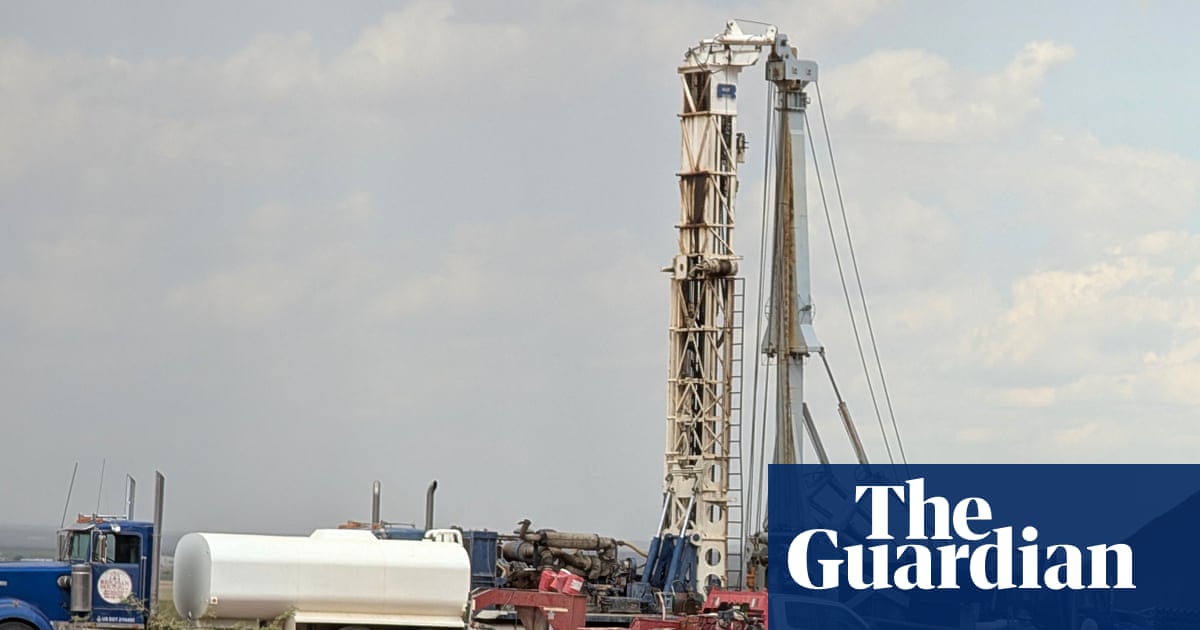
Construction crews building a border wall in New Mexico were ordered to stop drilling new wells after ranchers said that pumping groundwater to produce concrete could threaten their livestock amid a severe drought.
The order comes as crews across the southern border race to complete one of Donald Trump’s highest domestic priorities – barriers that span four states and received over $46bn in federal funding. Controversies have sprouted up in Texas and California, and border-town residents and environmentalists have reported a wide variety of issues with construction.
At a public meeting in July, ranchers said they were noticing unmonitored tapping of border aquifers that threatened the water for those nearby.
“It would put us in an immediate catastrophe and having to do something with our livestock. I mean, it could potentially put some people out of business, us included,” said Russell Johnson, a cattle rancher whose property runs along the border.
Johnson raised the issue at the public meeting after noticing an industrial well, which drilling crews told him would pump 300 gallons a minute, on land he leases for grazing. Johnson has roughly 12 wells across his ranch, which pump between three and seven gallons a minute.
“Whatever they do on that well affects everybody in this basin,” one rancher said in the meeting. He added that, from his conversation with border patrol, he believed that “they really don’t even understand what an aquifer is”.
A spokesperson for Customs and Border Protection told the AP on Monday that border wall contractors in New Mexico have been instructed to stop drilling new wells.
“CBP is committed to working collaboratively with local landowners to ensure that construction activities do not adversely impact their water needs,” said CBP in a statement.
Previously, CBP, which oversees border wall construction, has said water is needed to produce concrete, build roads, construct barriers and control dust at construction sites. New Mexico’s office of the state engineer, which monitors and approves wells across the state, told NPR last month it counted at least six wells under development along the border, and that none had the necessary permits required by state law.
The office cautioned there could be more. Staff visited two wells in July and reported they were pumping 200 gallons per minute.
“All non-tribal wells in New Mexico, whether they are drilled on state or federal land, must have permits from the state engineer before they can be drilled or water can be pumped from them,” the office of the state engineer said in a statement.




















Comments