
 German (DE)
  English (US)
  Spanish (ES)
  French (FR)
  Hindi (IN)
  Italian (IT)
  Russian (RU)
  21 hours ago
18 minutes ago
Smitha MundasadHealth reporter

 Getty Images
For thousands of women, getting an endometriosis diagnosis can take years. Now, a new scan technique may help spot the condition earlier, a pilot study at Oxford University suggests.
The technique uses CT scans combined with a molecular tracer to detect areas of early endometriosis, which is often missed by conventional scans.
If confirmed in larger studies, this could help give women an explanation for their symptoms earlier on, scientists say.
Endometriosis affects one in 10 women in the UK and is often a painful condition in which cells similar to those lining the womb grow elsewhere in the body. It can take an average of nine years to get a diagnosis.
Symptoms can be severe and wide-ranging - from very heavy periods to extreme tiredness and abdominal pain - often mimicking other conditions.
People frequently end up undergoing several tests, including ultrasounds and sometimes MRI scans.
But these standard scans do not always pick up on the disease and mainly detect changes that often appear with more advanced diseases, says Dr Tatjana Gibbons, lead researcher on the study.
"This means many struggle with symptoms, despite being told they have normal imaging results.
"Getting a diagnosis earlier can help people make decisions and plans about their life," Dr Gibbons adds.
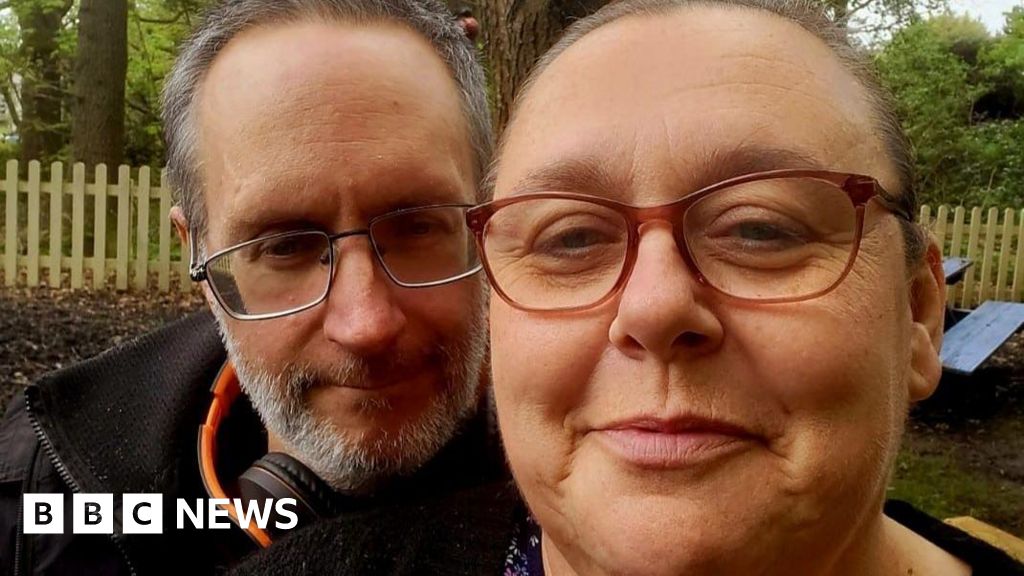
Gabriella Pearson, co-founder of the charity Menstrual Health Project, was diagnosed with endometriosis aged 23, after more than 10 years of worsening symptoms and a number of misdiagnoses.
The 33-year-old says that if she had been "listened to and diagnosed earlier she would have been in a very different position now".
 Gabriella Pearson
It took 10 years for Gabriella Pearson, 33, to be diagnosed with endometriosis
Endometriosis has affected her bowel, bladder and ovary and left her with lasting damage.
"Because of the pain and the complications I wasn't able to progress with my career and go to university," says Pearson.
"There is a knock-on effect in terms of mental health, finances, work and fertility. So I think if people are diagnosed earlier and have a better chance of prolonged quality of life at a younger age, it could really help."
Pearson was just 10 when her debilitating periods started, leaving her in agony.
Over the years she developed painful stomach issues with everything she ate.
She was told it was "part of being a woman", then it was put down to irritable bowel syndrome or stress.
She went back and forth to doctors for six years before finding a GP who said she was likely to have endometriosis.
"It has been a very long journey and we definitely need more accuracy when it comes to scans," says Pearson.
"We deserve something that is more consistent and reliable for patients and is non-invasive as well.
"For me, I really struggled with an invasive ultrasound, which was very painful."
Her ultrasound was interpreted differently by different doctors.
Years later, she went on to have surgery - a laparoscopy - to get a definitive diagnosis because she felt she really needed to know what was going on.
New findings 'really exciting'
Though people can be offered some treatments without a definitive diagnosis, the only way to get a definitive diagnosis at the moment is through a laparoscopy - where a small camera is inserted through a small cut in the abdomen. This can take years to happen.
In the study, 19 people with confirmed or suspected endometriosis had a CT scan along with an injection of a molecular tracer called maraciclatide. It attached to areas where new blood vessels were forming - thought to be a key part of early endometriosis growth.
The new technique was able to correctly detect the presence or absence of endometriosis in 16 women.
And it correctly picked up 14 of the 17 cases of endometriosis that were later confirmed by surgery.
Dr Gibbons says the findings are "exciting".
The technique "offers a highly promising diagnostic and monitoring tool, particularly for superficial peritoneal endometriosis [thought to be an early form of the disease] which is the most common and yet the hardest type of endometriosis to identify".
Dr Lucy Whitaker, gynaecologist and researcher at the University of Edinburgh, who was not involved in the study, says there is a "desperate need for new non-invasive imaging techniques".
"This is a really exciting preliminary data that needs further studies," she says. "If confirmed, that gives us a real opportunity to intervene at an earlier stage - and help people get a diagnosis and potentially consider treatment earlier on."
The new technique could have a role in investigating how the disease changes over time and how different treatment options work too.
Dr Whitaker adds that the scans and tracer involve exposure to radiation, which needs consideration and to be put in the context of the risks of having a laparoscopy for example.
The work is published in the journal Lancet Obstetrics, Gynaecology and Women's Health and led by the Nuffield department of women's and reproductive health at the University of Oxford and Serac Healthcare.
Symptoms to watch out for:
- severe period pain that stops you doing normal activities
- pain in the lower abdomen, back and pelvic area
- pain when urinating or pooing
- pain or bleeding in other areas including the chest
- difficulties getting pregnant
Additional reporting by Vicki Loader




















Comments