
 German (DE)
  English (US)
  Spanish (ES)
  French (FR)
  Hindi (IN)
  Italian (IT)
  Russian (RU)
  2 hours ago
The Trump administration is ready to take new military action against Venezuela if the country’s interim leadership strays from US expectations, according to Marco Rubio, the US secretary of state.
In prepared testimony for a hearing before the Senate foreign relations committee, Rubio says the US is not at war with Venezuela and that its interim leaders are cooperating, but he notes that the Trump administration would not rule out using additional force following the capture of Nicolás Maduro early this month.
“We are prepared to use force to ensure maximum cooperation if other methods fail,” says Rubio’s prepared opening statement, which was released by the state department. “It is our hope that this will not prove necessary, but we will never shy away from our duty to the American people and our mission in this hemisphere.”
Rubio, a former Florida senator, will aim to sell one of Donald Trump’s more contentious priorities to former colleagues in Congress. With the focus of the Republican administration’s foreign policy switching between the western hemisphere, Europe and the Middle East, Rubio also may be called to calm fears in his own party about Trump’s demand to annex Greenland .
Rubio will defend Trump’s decisions to remove Maduro to face drug trafficking charges in the US, continue deadly military strikes on boats suspected of smuggling drugs, and seize sanctioned tankers carrying Venezuelan oil, according to the prepared remarks.
“There is no war against Venezuela, and we did not occupy a country,” he will say, according to the prepared remarks. “There are no US troops on the ground. This was an operation to aid law enforcement.”
Maduro, who has pleaded not guilty to federal drug trafficking charges in a US court, has defiantly declared himself “the president of my country” and protested his capture.
Congress has not curtailed Trump on Venezuela
Congressional Democrats have condemned Trump’s moves as exceeding the authority of the executive branch, while most Republicans have supported them as a legitimate exercise of presidential power.
New Hampshire senator Jeanne Shaheen, the top Democrat on the committee, intends to question whether the operation to remove Maduro was worth it considering most of his former top aides and lieutenants are still running the country.
“The US naval blockade around Venezuela and the raid have already cost American taxpayers hundreds of millions of dollars … and yet the Maduro regime is still in power,” she plans to say, according to her prepared opening statement.
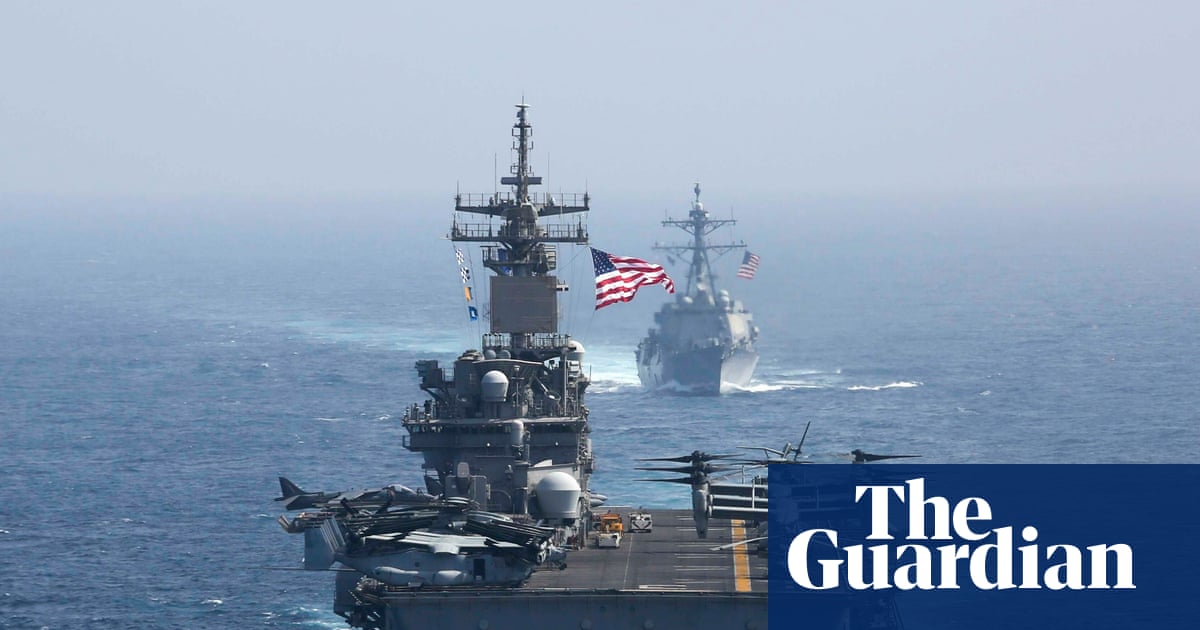
The House narrowly defeated a war powers act resolution that would have directed Trump to remove US troops from Venezuela. As Rubio will argue, the administration says there are no US troops on the ground in the South American nation despite a large military buildup in the region.
Democrats had argued that the resolution was necessary after the US raid to capture Maduro and because Trump has stated plans to control the country’s oil industry for years to come.
The pushback has begun in the courts, too, as the families of two Trinidadian nationals killed in a Trump administration boat strike filed what is thought to be the first wrongful-death case arising from the campaign. Three dozen strikes on boats in the Caribbean Sea and the eastern Pacific Ocean have killed at least 126 people since September.
While keeping pressure on those the Trump administration dubs “narcotraffickers” without providing evidence, US officials also are working to normalize ties with Venezuelan acting president Delcy Rodríguez. Nonetheless, Rubio will make clear in his testimony that she has little choice but to comply with Trump’s demands.
“Rodríguez is well aware of the fate of Maduro; it is our belief that her own self-interest aligns with advancing our key objectives,” Rubio will say, noting that they include opening Venezuela’s energy sector to US companies, providing preferential access to production, using oil revenue to purchase US goods, and ending subsidized oil exports to Cuba.
Rodríguez, who previously served as Maduro’s vice-president, on Tuesday said her government and the Trump administration “have established respectful and courteous channels of communication”. During televised remarks, Rodríguez said she is working with Trump and Rubio to set “a working agenda”.











Comments