
 German (DE)
  English (US)
  Spanish (ES)
  French (FR)
  Hindi (IN)
  Italian (IT)
  Russian (RU)
  3 hours ago
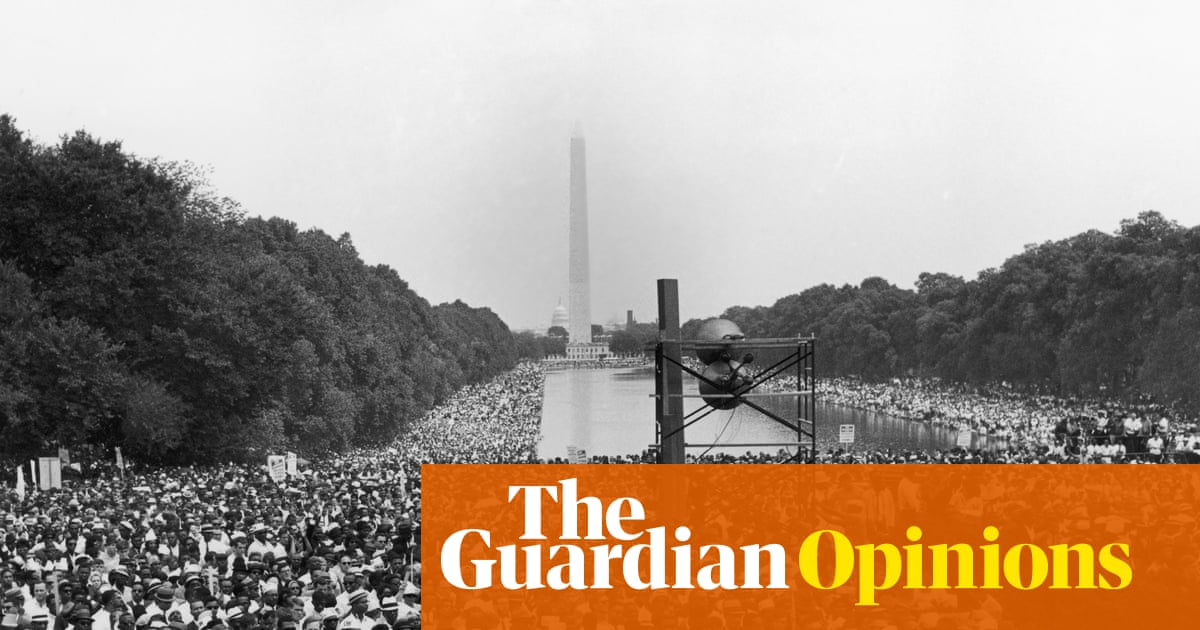
This year, the Dr Martin Luther King Jr holiday forces Americans to grapple with the crisis and protests that have spread across the country, particularly in Minneapolis. Each year on this holiday, we reflect on King’s life and legacy. We wonder about what he might make of this moment. Though civil rights protesters in the 1950s and 60s were repeatedly met with extreme state violence, Americans are now facing a president who is troublingly more powerful than past figures such as the notorious segregationist and Alabama governor George Wallace.
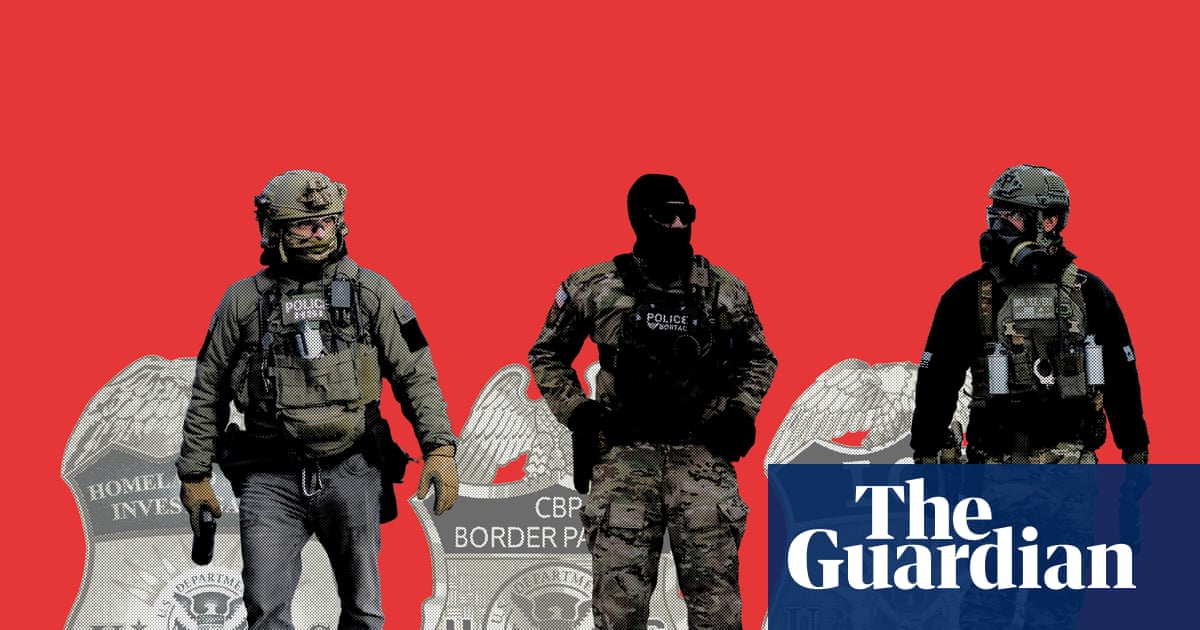
Militarized and masked federal police forces, abetted by a corrupted justice department, are expansive and employ far more deadly weapons against protesters today. Civil rights leaders often sought federal intervention to combat localized racial violence in the south. But now, local and state officials, along with ordinary citizens who have been galvanized by federal violence, are combating government crackdowns against immigrants and their neighbors. Over the span of a week, ICE agents killed an American wife and mother of three, Renee Good, and shot a man from Venezuela during a traffic stop. They have arrested and detained American citizens and have terrorized neighborhoods, businesses and schools. Their irrational, unprofessional and unconstitutional actions have caused chaos, panic and harm throughout American cities. This is far from the progress King dreamed of, and he used his last years to warn Americans to refuse comfort, the status quo, and bring oppression to an end.
Exactly one year before Dr King was assassinated, on 4 April 1967, he gave his famous “Beyond Vietnam” speech at Riverside church in New York City. More than 3,000 people were in attendance. At the time, King had come under intense fire for having renounced the Vietnam war; his outspokenness put him at odds with Lyndon Johnson, who felt King should have been indebted to him for his efforts in pushing through civil rights legislation. It also put King at odds with his own people and the press. The NAACP thought King was conflating civil rights and Vietnam, and wanted him to stick to the strategy regarding domestic issues.
The press hammered him: a Washington Post article claimed that King was diminishing “his usefulness to his cause, to his country, and to his people”. As a Black man and minister, apparently, King was only supposed to care about the oppression of Black Americans. Instead, King called for a “worldwide fellowship that lifts neighborly concern beyond one’s tribe, race, class and nation”. He argued for an “all-embracing … unconditional love for all mankind”.
The Trump administration contends that Americans are threatened by the presence of immigrants and anything, for that matter, that resembles diversity, equity or inclusion. King, in a way, forewarned: “We can no longer afford to worship the god of hate or bow before the altar of retaliation. The oceans of history are made turbulent by the ever-rising tides of hate. And history is cluttered with the wreckage of nations and individuals that pursued this self-defeating path of hate.”
On the streets of Minneapolis, like the streets of Portland, Chicago, Boston, Charlotte and Los Angeles, people are courageously taking up the responsibility they have to their neighbors. They are embracing the unconditional love for all mankind in opposition to the federal government, which has wreaked havoc on the lives of ordinary Americans and immigrants. King’s words have come back full force.
In his speech, he declared: “These are revolutionary times. All over the globe, men are revolting against old systems of exploitation and oppression.” How can one read King’s words and not think of Minneapolis, Tehran, Caracas or Gaza? Being a minister meant that King not only pointed out the flaws in a system, but also offered vision and a mandate: “Our only hope today lies in our ability to recapture the revolutionary spirit and go out into a sometimes hostile world declaring eternal hostility to poverty, racism and militarism.”
These three threats to humanity ruled King’s world then and also define ours now. Today, we can use the “urgency of now” that he spoke of to move on from the empty platitudes that this day of remembrance often evokes. Instead, we can focus on the purpose and costs of the liberties that we are working so hard to manifest. King said it best in closing: “If we will make the right choice, we will be able to transform the jangling discords of our world into a beautiful symphony of brotherhood. If we will but make the right choice, we will be able to speed up the day, all over America and all over the world, when ‘justice will roll down like waters, and righteousness like a mighty stream’.” The choice will not be easy or without cost, but the alternative – what we see on our screens and streets today – is unconscionable.








Comments