
 German (DE)
  English (US)
  Spanish (ES)
  French (FR)
  Hindi (IN)
  Italian (IT)
  Russian (RU)
  2 hours ago
Nick TriggleHealth correspondent

 Getty Images
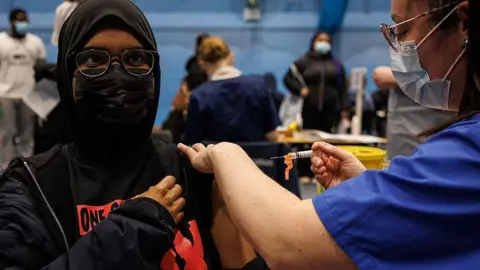
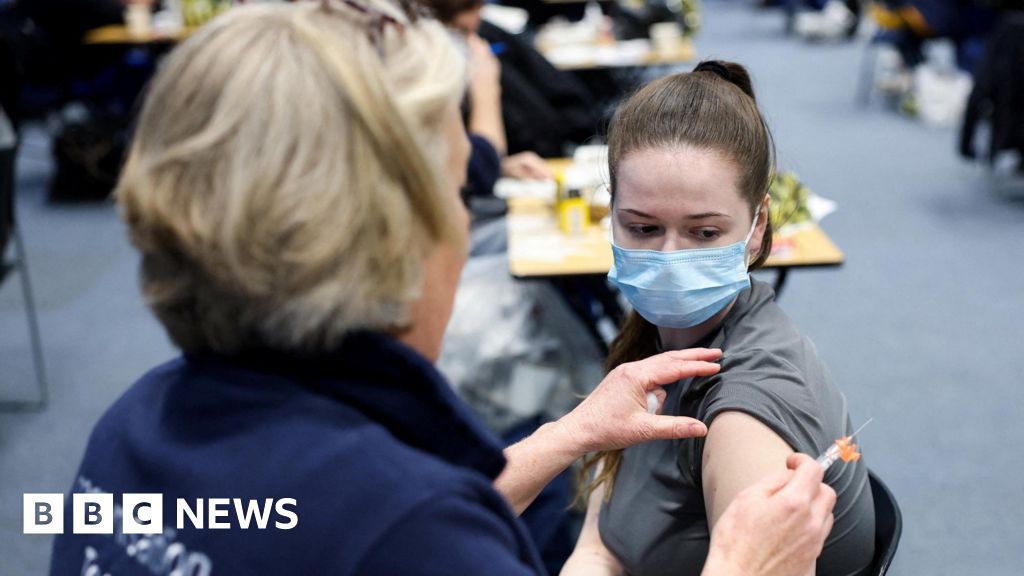
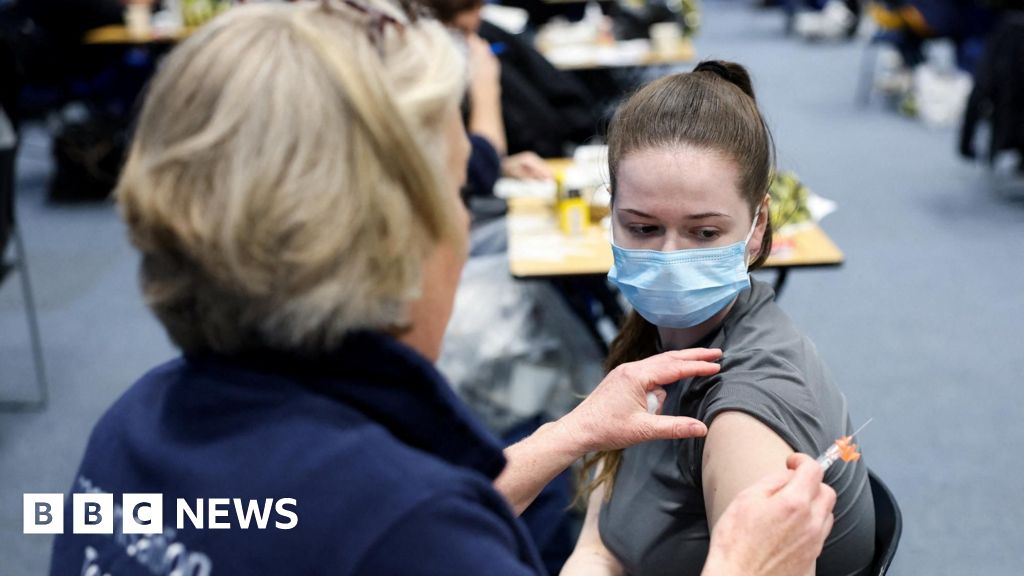
A Meningitis B vaccine program has been rolled out for students at the University of Kent following the outbreak
The NHS waited two days before raising the alarm about the meningitis outbreak, the BBC has learnt.
The UK Health Security Agency was first alerted of a case by the Queen Elizabeth the Queen Mother Hospital, in Margate, on the afternoon of Friday 13 March.
That patient arrived in hospital two days earlier but there was a delay in reporting to health officials - despite there being a legal requirement for cases to be reported immediately.
It meant there was a delay in tracing close contacts of the patient and potentially identifying that there was a wider outbreak.
The hospital - which is run by East Kent Hospitals NHS Trust - admitted to the BBC it had missed an opportunity to alert the UKHSA sooner. It said it had waited until there was a formal diagnosis via a confirmed test.
Dr Des Holden, acting chief executive of East Kent Hospitals NHS Trust, said the patient first presented on Wednesday evening.
"We recognise there was an opportunity prior to diagnosis to notify UKHSA.
"We cannot go into the detail of individual patients' care, but the trust has been in close contact with UKHSA since Friday 13 March to discuss the management of patients presenting with suspected meningitis."
Invasive meningitis is classed as an urgent notifiable disease, so under Health Protection Regulations 2010 it is a requirement to report cases to health protection officials as soon as a case is suspected. Hospitals do not have to wait for tests and a formal diagnosis.
Experts have criticised the delay, saying it may have put people at risk, as earlier health warnings to the public would have meant those subsequently developing symptoms could have sought medical help sooner.
Of the 23 suspected and probable cases, all of whom are young adults and teenagers, two people have died and four were in intensive care as of Monday.
Ten reported developing symptoms between the first-known admission and the point at which UKHSA issued an alert to the public on the evening of Sunday 15 March warning there was an outbreak, according to figures released by UKHSA.
"Delaying reporting a case is indefensible," said Prof Paul Hunter, an expert in infectious disease at the University of East Anglia. "You don't wait for a formal diagnosis when it comes to meningitis – you report it straight away so it can be investigated.
"Not only do you want to trace the close contacts to give them preventative treatment, you also want to see if there are other cases developing."
He added: "You had significant numbers of young people developing symptoms as the days went by, but they were unaware there was an outbreak. If they had known, they may have come forward for treatment sooner."
He said quick treatment was essential to increase the chances of survival and to avoid life-changing disabilities, such as loss of limbs, blindness and brain injury.
While the hospital will not confirm who the patient was, the BBC understands it was Annabelle Mackay, 21, who is a University of Kent student.
She first spoke to the BBC last week and has now said she is surprised her case was not reported sooner.
"It was treated as meningitis as soon as I was taken in. If the report had been made earlier, other people could have been warned to look out for symptoms."
UKHSA said an opportunity had been missed to report the case sooner – and it also cast doubt on how quickly East Kent reported subsequent cases.
It said it was only notified by the trust of more cases on Saturday evening despite more patients arriving with suspected meningitis at East Kent services on Friday. The trust runs two major hospitals in the county.
UKHSA said it was unclear what impact this had on identifying whether there was a cluster of cases.
In a statement on the delay of reporting the first case, UKHSA said it would have started investigating what was happening sooner as well as giving antibiotics to close contacts of the patient to prevent anyone developing invasive meningitis.
However, it said there were no confirmed cases linked to this individual so far.
It said once it became clear there were a number of seriously ill people it triggered a "large-scale public health response".
On Sunday morning internal health service communications went out across Kent and Medway informing services of the outbreak, so NHS 111, local A&Es and GPs were on alert for cases.








Comments