
 German (DE)
  English (US)
  Spanish (ES)
  French (FR)
  Hindi (IN)
  Italian (IT)
  Russian (RU)
 WASHINGTON (AP) — Senators are discussing a proposal to end the Homeland Security budget stalemate by funding much of the department, including the Transportation Security Administration airport workers going without pay, but excluding ICE's enforcement and removal operations that have been core to the dispute.
The potential breakthrough came after a group of Republican senators headed to the White House late Monday to meet with President Donald Trump. Senators said they expected the negotiators to work through the night hammering out the details and present written proposals for both parties to discuss Tuesday at their weekly caucus lunches.
“All I can say is that the discussions have been very positive and productive, and hopefully headed in the right direction,” said Senate Majority Leader John Thune, R-S.D.
Senate Democratic Leader Chuck Schumer told reporters late in the evening: “Both sides are working in a serious way.”
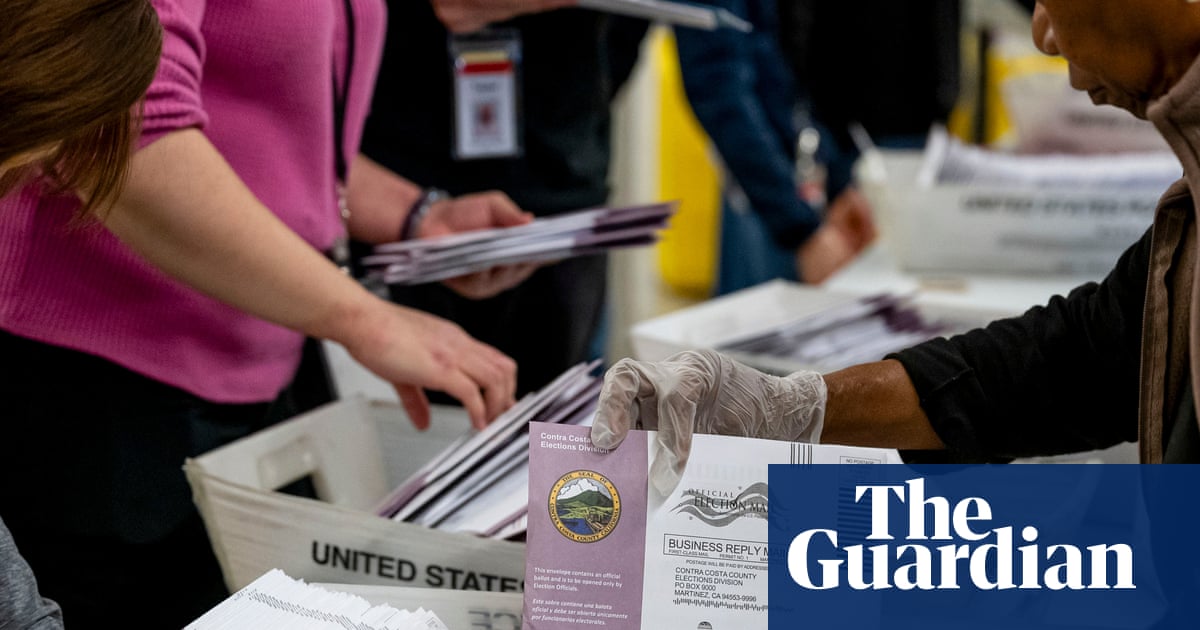
The sudden shift in the monthlong standoff comes as U.S. airports are jammed with long lines after routine Homeland Security funding was halted, leaving TSA understaffed during the spring travel season. Democrats are refusing to fund Homeland Security without restraints on Trump's immigration enforcement and mass deportation operations after the deaths of two U.S. citizens during ICE protests in Minneapolis.
Trump took the extraordinary step over the weekend of ordering Immigration and Customs Enforcement officers to provide airport security, drawing alarm from some lawmakers that it could escalate tensions.
The contours of the deal under consideration would fund most of Homeland Security, but exclude funding for one main part of ICE — the enforcement and removal operations that are core to Trump's deportation agenda.
Under the package being floated, ICE's Homeland Security Investigations would be funded as well as Customs and Border Protection, but with new guardrails to position officers from those divisions in their traditional roles, rather than as they have been used more recently in immigration roundups in cities. It would also include a number of changes in immigration operations that Democrats have demanded, including mandating that officers wear body cameras and identification.
Since so much of ICE is already funded through Trump's big tax breaks bill, and immigration officers are still receiving paychecks during the partial government shutdown, senators said the new restraints would also be imposed on operations that rely on that funding source, as well.
"I'm going to be working through the night,” said Republican Sen. Katie Britt of Alabama, a chief negotiator who returned from the White House meeting hopeful they had a solution to “land this plane.”
“We’re going to be working diligently,” she said.
Sen. Chris Coons, D-Del., who was not part of the group at the White House, said his understanding was that there was a “sense of urgency” coming from the talks.
Coons described various choices before the senators at this point — from no money at all for ICE but also no restraints on the agency operations, to fully funding ICE but with more of the restraints Democrats have demanded, to a middle option of funding most of DHS excluding ICE's enforcement and removal operations. That middle option is what he and other senators understood was broadly on the table after the White House talks.
“First step is to get the proposal in writing,” said Sen. Angus King, the Independent from Maine. “I want to see exactly what that means.”
Senators late Monday also confirmed Markwayne Mullin as Homeland Security secretary. He takes over for Kristi Noem, who led the department's immigration enforcement operations that erupted with the public outcry and the funding standoff.
Mullin provides a potentially new face for the immigration operation. During his confirmation hearing last week, Mullin touched on another key demand Democrats want — ensuring a judge has signed off on warrants that immigration officers use to search people's homes, rather than simply relying on administrative warrants issued by the department.
“This is significant,” Sen. Peter Welch, D-Vt., said about the progress toward changes. "Noem is gone. That’s a big deal.”
Sen. John Hoeven, R-S.D., said he was hopeful senators could work things out. “Look, there’s a lot of different variables in the equations,” he said. “I'm hopeful we'll get there.”


















Comments