
 German (DE)
  English (US)
  Spanish (ES)
  French (FR)
  Hindi (IN)
  Italian (IT)
  Russian (RU)
  1 hour ago
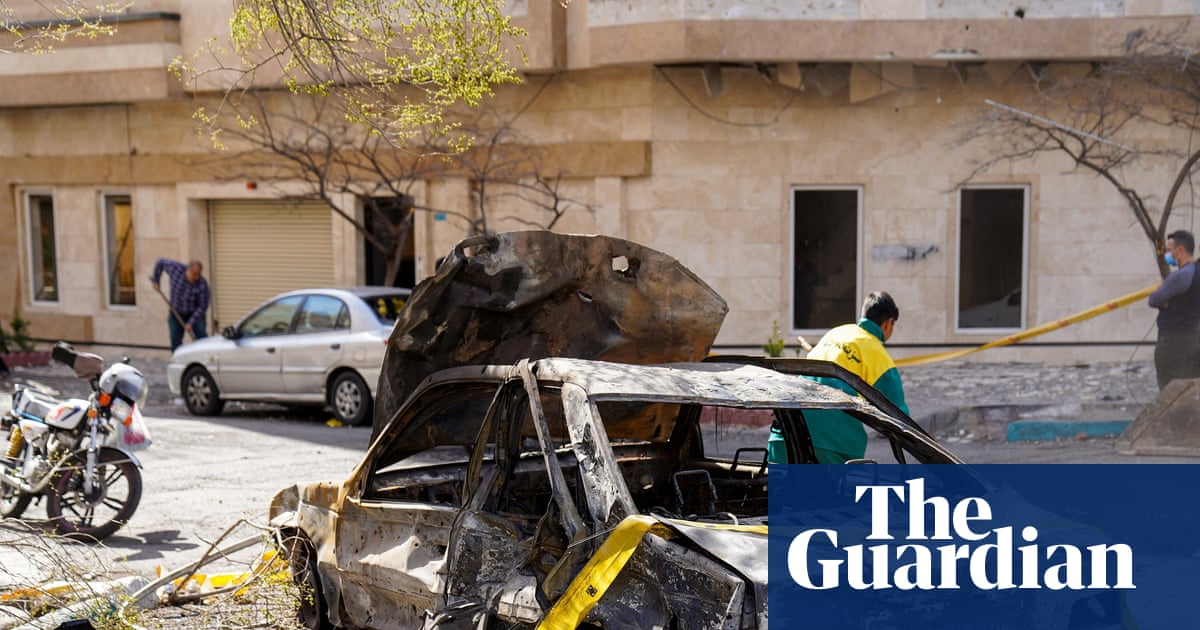
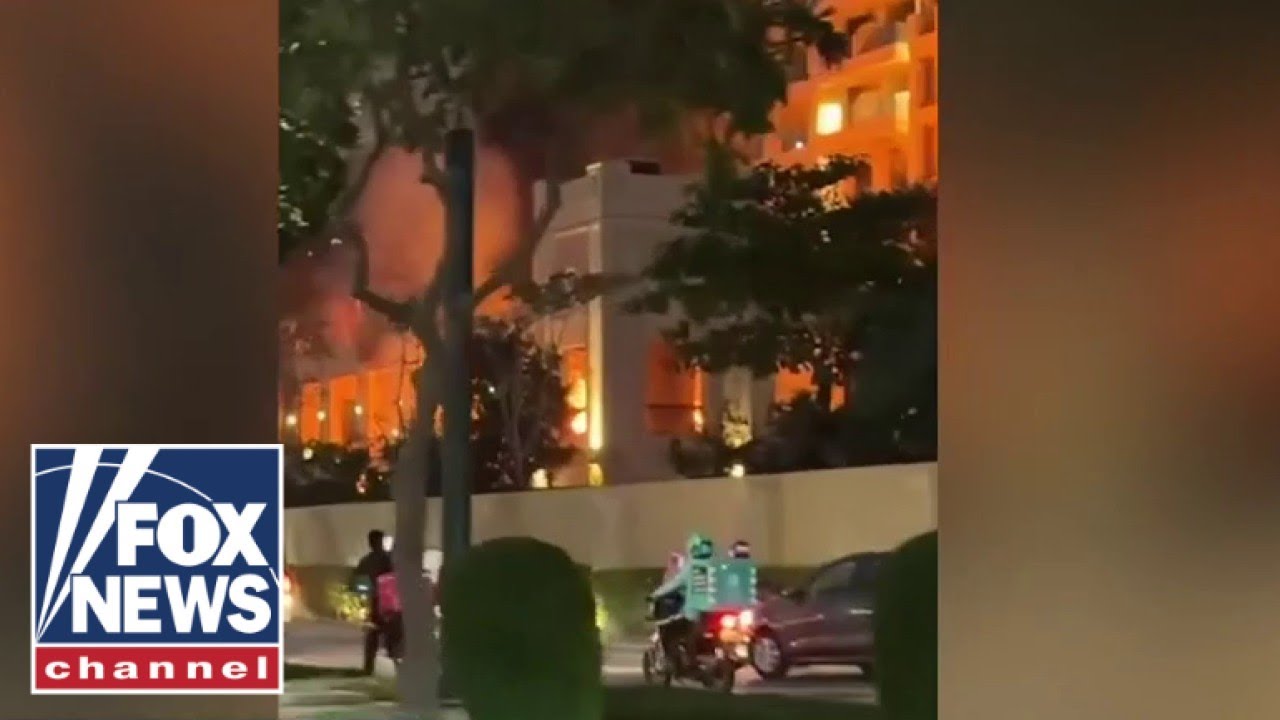
After the largest buildup of U.S. warships and aircraft in the Middle East in decades, American and Israeli military forces launched a massive assault on Iran on Feb. 28, 2026.
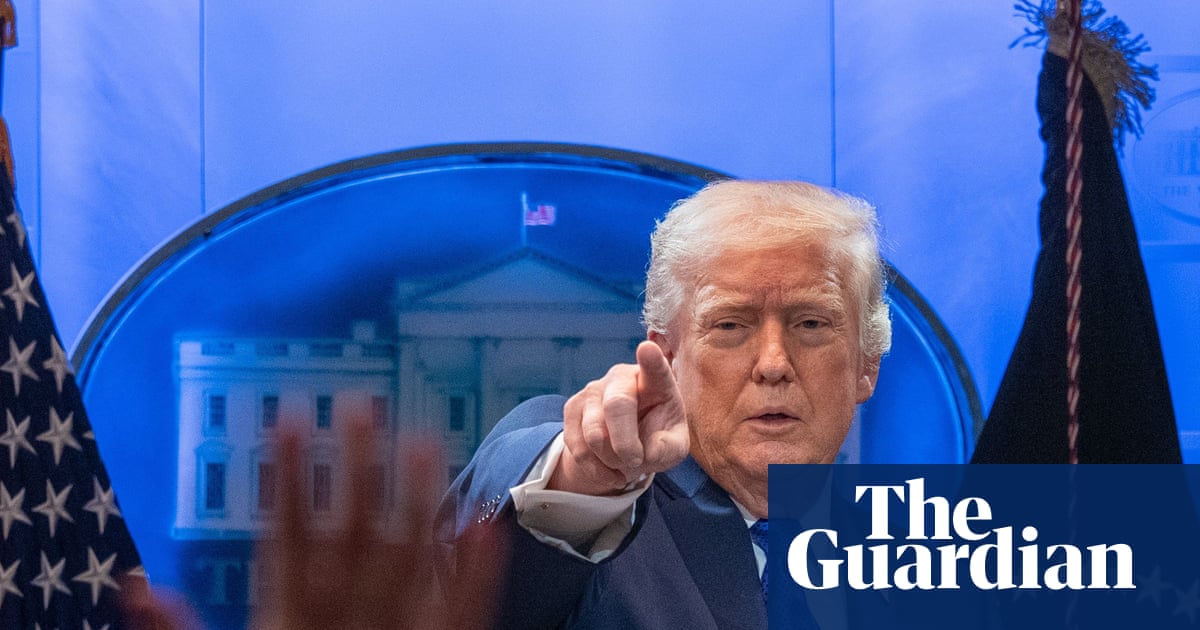
President Donald Trump has called the attacks “major combat operations” and has urged regime change in Tehran.
To better understand what this means for the U.S. and Iran, Alfonso Serrano, a U.S. politics editor at The Conversation, interviewed Donald Heflin, a veteran diplomat who now teaches at Tufts University’s Fletcher School.
Widespread attacks have been reported across Iran, following weeks of U.S. military buildup in the region. What does the scale of the attacks tell you?
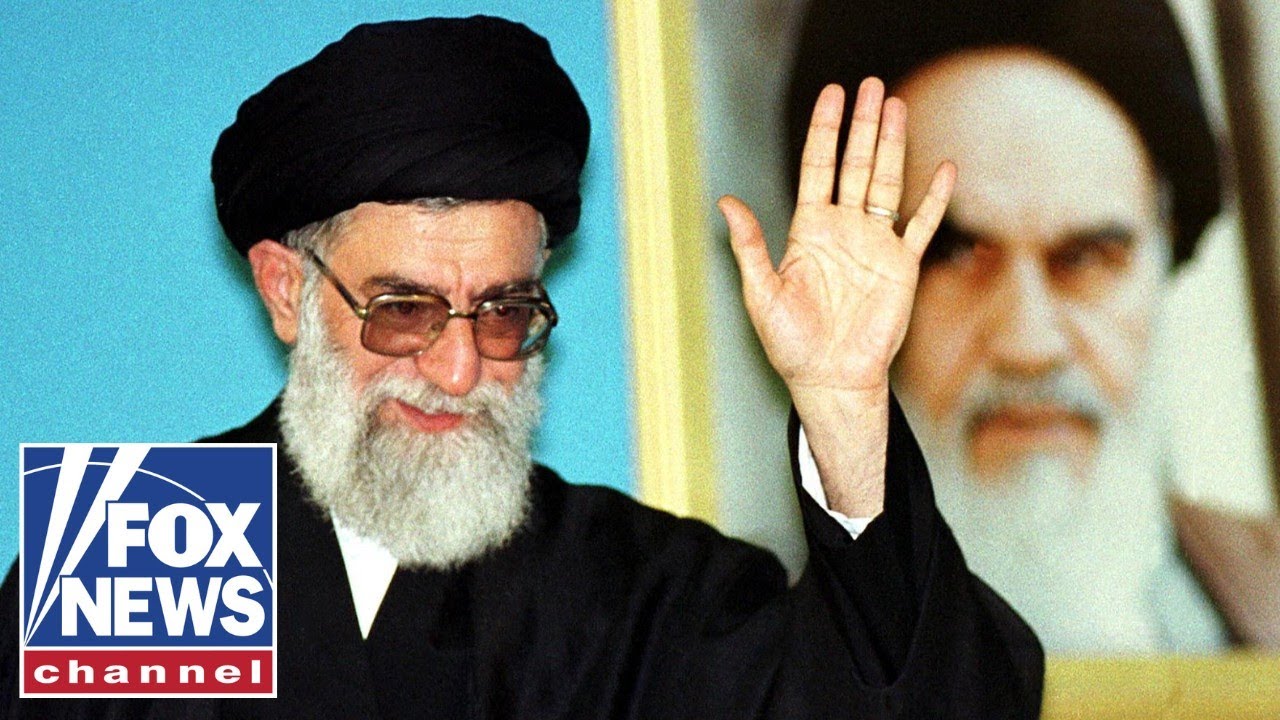
I think that Trump and his administration are going for regime change with these massive strikes and with all the ships and some troops in the area. I think there will probably be a couple more days’ worth of strikes. They’ll start off with the time-honored strategy of attacking what’s known as command and control, the nerve centers for controlling Iran’s military. From media reporting, we already know that the residence of Supreme Leader Ayatollah Ali Khamenei was attacked.
What is the U.S. strategic end game here?
Regime change is going to be difficult. We heard Trump today call for the Iranian people to bring the government down. In the first place, that’s difficult. It’s hard for people with no arms in their hands to bring down a very tightly controlled regime that has a lot of arms.
The second point is that U.S. history in that area of the world is not good with this. You may recall that during the Gulf War of 1990-1991, the U.S. basically encouraged the Iraqi people to rise up, and then made its own decision not to attack Baghdad, to stop short. And that has not been forgotten in Iraq or surrounding countries. I would be surprised if we saw a popular uprising in Iran that really had a chance of bringing the regime down.

Do you see the possibility of U.S. troops on the ground to bring about regime change?
I will stick my neck out here and say that’s not going to happen. I mean, there may be some small special forces sent in. That’ll be kept quiet for a while. But as far as large numbers of U.S. troops, no, I don’t think it’s going to happen.
Two reasons. First off, any president would feel that was extremely risky. Iran’s a big country with a big military. The risks you would be taking are large amounts of casualties, and you may not succeed in what you’re trying to do.
But Trump, in particular, despite the military strike against Iran and the one against Venezuela, is not a big fan of big military interventions and war. He’s a guy who will send in fighter planes and small special forces units, but not 10,000 or 20,000 troops.
And the reason for that is, throughout his career, he does well with a little bit of chaos. He doesn’t mind creating a little bit of chaos and figuring out a way to make a profit on the other side of that. War is too much chaos. It’s really hard to predict what the outcome is going to be, what all the ramifications are going to be. Throughout his first term and the first year of his second term, he has shown no inclination to send ground troops anywhere.
Speaking of President Trump, what are the risks he faces?
One risk is going on right now, which is that the Iranians may get lucky or smart and manage to attack a really good target and kill a lot of people, like something in Jerusalem or Tel Aviv or a U.S. military base.
The second risk is that the attacks don’t work, that the supreme leader and whoever else is considered the political leadership of Iran survives, and the U.S. winds up with egg on its face.
The third risk is that it works to a certain extent. You take out the top people, but then who steps into their shoes? I mean, go back and look at Venezuela. Most people would have thought that who was going to wind up winning at the end of that was the head of the opposition. But it wound up being the vice president of the old regime, Delcy Rodríguez.
I can see a similar scenario in Iran, if Khamenei and a couple of other leaders were taken out. But the only institution in Iran strong enough to succeed them is the army, the Revolutionary Guards in particular. Would that be an improvement for the U.S.? It depends on what their attitude was. The same attitude that the vice president of Venezuela has been taking, which is, “Look, this is a fact of life. We better negotiate with the Americans and figure out some way forward we can both live with.”
But these guys are pretty hardcore revolutionaries. I mean, Iran has been under revolutionary leadership for 47 years. All these guys are true believers. I don’t know if we’ll be able to work with them.

Any last thoughts?
I think the timing is interesting. If you go back to last year, Trump, after being in office a little and watching the situation between Israel and Gaza, was given an opening, when Israeli Prime Minister Benjamin Netanyahu attacked Qatar.
A lot of conservative Mideast regimes, who didn’t have a huge problem with Israel, essentially said “That’s going too far.” And Trump was able to use that as an excuse. He was able to essentially say, “Okay, you’ve gone too far. You’re really taking risk with world peace. Everybody’s gonna sit at the table.”
I think the same thing’s happening here. I believe many countries would love to see regime change in Iran. But you can’t go into the country and say, “We don’t like the political leadership being elected. We’re going to get rid of them for you.” What often happens in that situation is people begin to rally around the flag. They begin to rally around the government when the bombs start falling.
But in the last few months, we’ve seen a huge human rights crackdown in Iran. We may never know the number of people the Iranian regime killed in the last few months, but 10,000 to 15,000 protesters seems a minimum.
That’s the excuse Trump can use. You can sell it to the Iranian people and say, “Look, they’re killing you in the streets. Forget about your problems with Israel and the U.S. and everything. They’re real, but you’re getting killed in the streets, and that’s why we’re intervening.” It’s a bit of a fig leaf.
Now, as I said earlier, the problem with this is if your next line is, “You know, we’re going to really soften this regime up with bombs; now it’s your time to go out in the streets and bring the regime down.” I may eat these words, but I don’t think that’s going to happen. The regime is just too strong for it to be brought down by bare hands.













Comments