
 German (DE)
  English (US)
  Spanish (ES)
  French (FR)
  Hindi (IN)
  Italian (IT)
  Russian (RU)
  3 hours ago
The way we commemorate history is often – too often – by celebrating an individual with a statue, a place name, a holiday. While some have been torn down – statues of Gen Robert E Lee have given way in some parts of the US to statues of Harriet Tubman – Republicans are trying to reverse the shift in statuary. To that end, the Trump administration recently plunked down a Columbus statue on the White House grounds, a replica of one thrown into the harbor in Baltimore in 2020 as the Black Lives Matter protests addressed racism and colonialism.
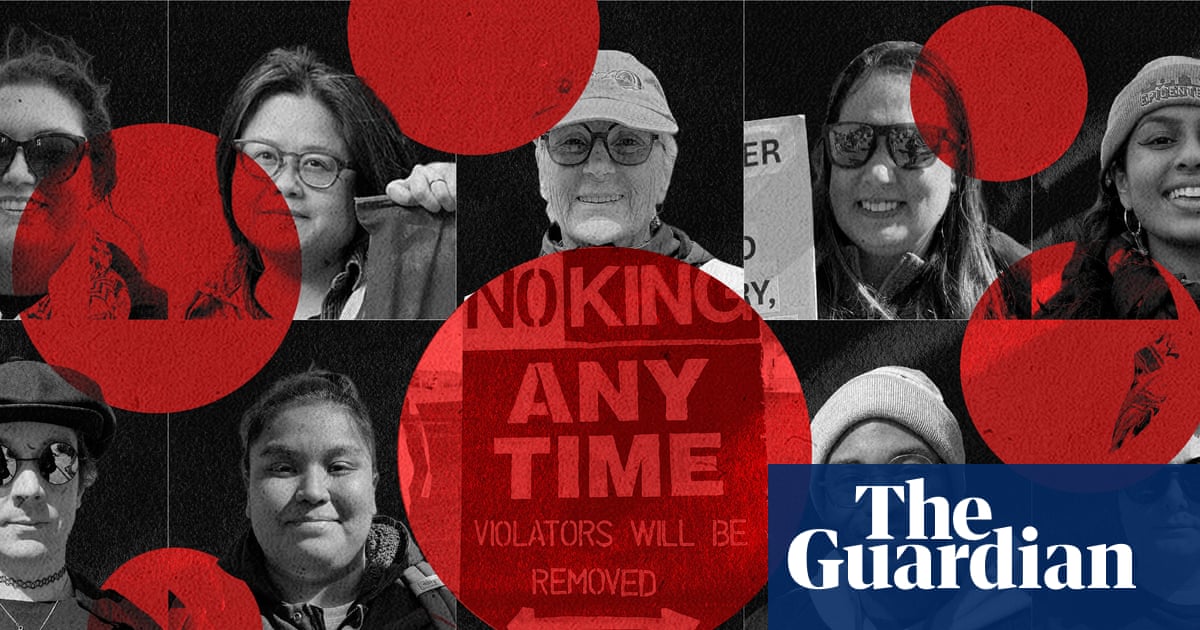
Still, maybe the age of individual heroes is fading. This year, Jon Wiener, a retired history professor and current Nation magazine editor, nominated Minneapolis for the Nobel peace prize for its residents’ valor and solidarity in opposing ICE and defending their neighbors. The magazine’s editors wrote: “Through countless acts of courage and solidarity, the people of Minneapolis have challenged the culture of fear, hate, and brutality that has gripped the United States and too many other countries. Their nonviolent resistance has captured the imagination of the nation and the world.” The Nobel is a longshot, but the Twin Cities – both Minneapolis and St Paul – got the John F Kennedy Profile in Courage award “for risking their lives to protect their neighbors and immigrant community members ... with extraordinary courage and resolve”.
This Tuesday, California will for the first time celebrate Farmworkers Day – a holiday declared by the state legislature in a quick pivot after revelations about the farm worker organizer Cesar Chavez’s history of sexual abuse. Maybe we’re beginning to recognize that the hero is often the collective, the movement, the community, and that plucking one person out of the crowd to anoint and celebrate often doesn’t work out for a lot of reasons. Cesar Chavez is only too useful an example: too many people made over into heroes did things that should have disqualified them. But even when the individual in question is irreproachable, most of the time, the world doesn’t get changed by solitary individuals. Sometimes one person as a writer, a preacher, a visionary inspires the many to do the work of changing the world. Sometimes one individual works directly with a group to do that work. Such people often get called leaders, but I think of them as catalysts.
To call someone a leader is at least implicitly to call everyone else a follower, and followers obey, are shepherded and managed, while in so many uprisings and movements, each person chose to be there, and contributed to deciding what exactly would happen. (I grew up in an age of cults, when followers followed their leaders into catastrophe.) The term leader may come from an era when military higher-ups literally led their troops into battle. But most of the best changes of the past several decades didn’t come at the point of a gun. Beyond that, at the heart of most democratic movements are many people taking on responsibilities and participating in making decisions. In this moment when we’re trying to defend democracy, democracy within movements is a must. And maybe democracies are antithetical to heroes, at least heroes as people put on a pedestal and presumed better than the rest of us.
“Aquí manda el pueblo y el Gobierno obedece,” which translates as “here the people rule and the government obeys,” was a key motto of the Zapatistas, the Indigenous revolutionaries who rose up in 1994 in southern Mexico and continue to hang on to some autonomy and vision in their villages. A catalyst is someone with a gift for motivating people and holding the group together, for finding common ground, but you’re not a catalyst unless there’s a population to catalyze into a community or movement. A lot of the heroes we celebrate are part of movements, and it’s a mistake in my eyes to give prizes to individuals who didn’t do it alone (and when they’re environmental or democracy activists in dangerous places, it can put a target on their back). The Nobel peace prize has often in recent decades gone to collectives, including Ukraine’s Center for Civil Liberties, the World Food Programme and the Intergovernmental Panel on Climate Change (with Al Gore).
In the wake of the report on Chavez’s assaults, the United Farm Workers and people who were part of the struggle were quick to say that the hero was the movement, was all the people who marched, picketed, risked, struggled. Chavez’s name was picked in part as a kind of shorthand, as if he was supposed to represent the whole, but when you put up statues and murals and name things after one person, the real history gets lost.
I’ve always thought that lone heroes of the Hollywood action-movie variety give people a mistaken sense of what change looks like and how to do it; they’re mostly musclebound or heavily armed guys whose special talent is face-to-face violence.
You can see that the men in the Trump administration have watched too many of these movies or played too many of these video games: both the Department of Defense’s Pete Hegseth and the FBI’s Kash Patel seem convinced the people under their command should focus on push-ups and hand-to-hand combat. Patel even got UFC fighters to “train” FBI employees, apparently in the delusion that FBI work consists of macho slugfests, rather than, mostly, the cerebral business of information gathering, while the military requires everything from pilots to data scientists to doctors.
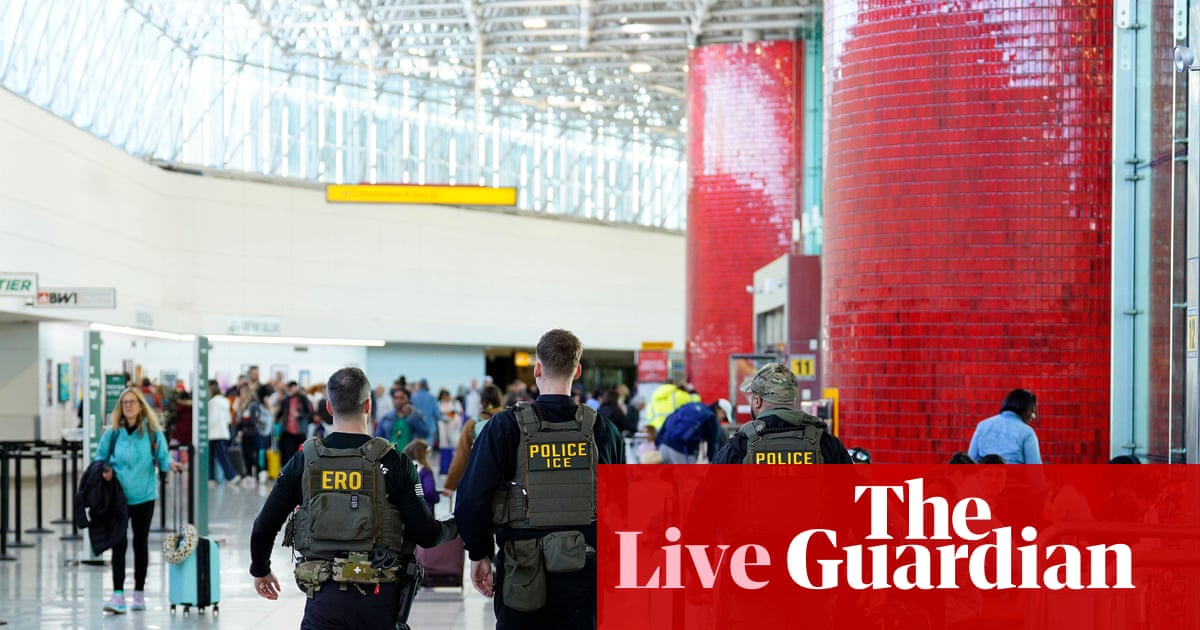
The heroes of Minneapolis engaged in no violence: they faced down heavily armed, faceless invaders in brutally cold conditions, day after day, week after week; they are still delivering groceries to those who can’t leave their homes, ferrying children to school and organizing neighborhood watches. They were hugely impactful in defending their neighbors and their city, and like the people of Los Angeles, Chicago, Charlotte, Memphis and other cities, they inspired those who watched from afar.
While Farmworkers Day has come about through something ugly, it is itself a lovely and timely thing, here in California where most of our farm workers are immigrants of exactly the kind ICE has been persecuting. Perhaps a monument to the unknown farm worker, or rather to the millions of them over the years, would be apt. At least giving them their due and their day is a beginning.
-
Rebecca Solnit is a Guardian US columnist. She is the author of Orwell’s Roses and co-editor with Thelma Young Lutunatabua of the climate anthology Not Too Late: Changing the Climate Story from Despair to Possibility













Comments