
 German (DE)
  English (US)
  Spanish (ES)
  French (FR)
  Hindi (IN)
  Italian (IT)
  Russian (RU)
  4 hours ago
The US justice department estimates it has hundreds of thousands of additional records related to Jeffrey Epstein to review – a process that involves a team of 200 departmental analysts and which will take another week to complete.
According to Axios, which cited unnamed justice department officials, about 750,000 records have been reviewed and disclosed, and about 700,000 more remain to be examined. However, many of those may be duplicates, so the remaining number of records may only be in the thousands.
“This will end soon,” an official told the outlet. “The conspiracy theories won’t.”
On Friday last week, the day of the first releases, the deputy attorney general, Todd Blanche, said: “I expect we’re going to release several hundred thousand documents today, and those documents will come in all different forms, photographs and other materials associated with all of the investigations into Mr Epstein”.
At the weekend there was outrage from victims and legal threats over the limited initial Epstein files release despite the law requiring full disclosure of all Epstein files by 19 December.
On Tuesday this week, in a third drop of files since Friday, the justice department released 30,000 records from the investigations into Epstein and his co-conspirator Ghislaine Maxwell.
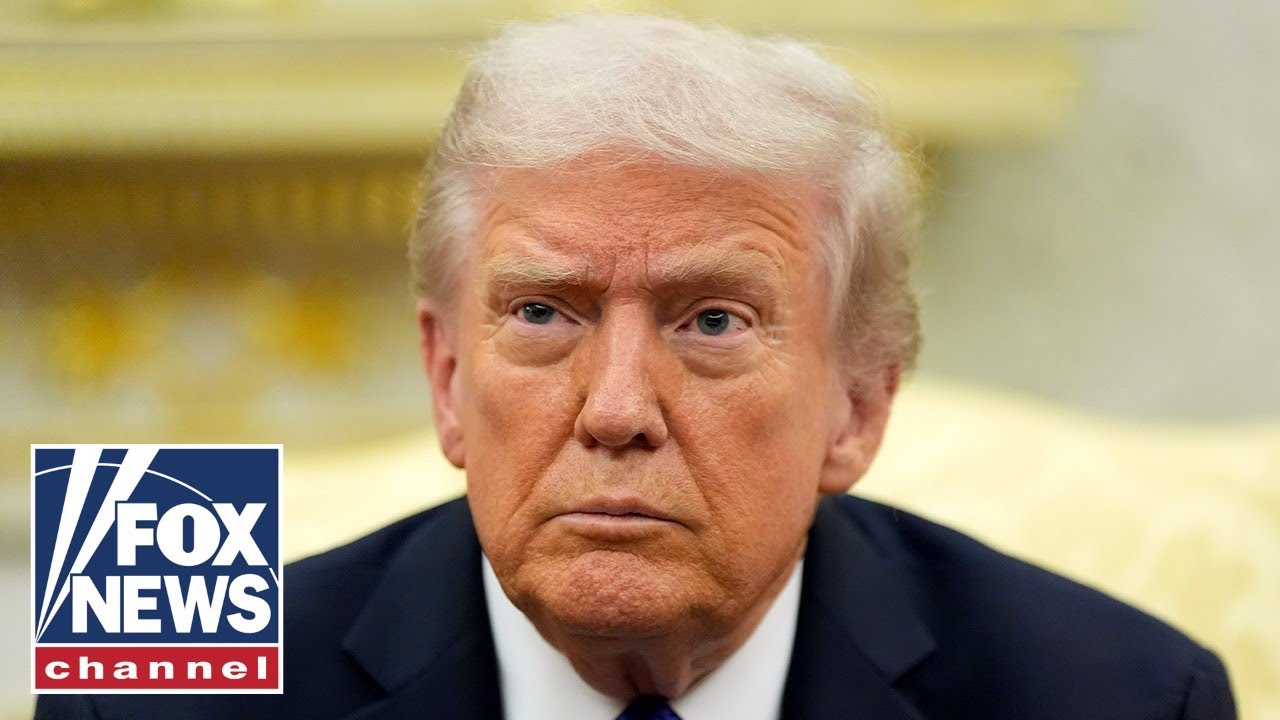
The releases contained more mentions of Donald Trump than in previous drops, including an email from 2020, apparently sent by a federal prosecutor in New York, that said Trump “traveled on Epstein’s private jet many more times than previously has been reported (or that we were aware)”, including one where the only listed passengers were Epstein, Trump and a “then-20-year-old”.
The latest release included some notable false leads, including a fake letter from Epstein to convicted sex abuser and former Olympic gymnastics coach Larry Nassar, and a fake video of Epstein committing suicide in his jail cell.
“There has been lots of sensationalism and even outright lies these past few days about the ‘Epstein Files’,” Blanche said in a statement on X. “But let’s separate fact from fiction. Document production is just that. We produce documents, and sometimes this can result in releasing fake or false documents because they simply are in our possession because the law requires this.”
Blanche pointed to both the letter and video. “The so-called Epstein Nassar letter is clearly FAKE – wrong handwriting, wrong return address, and postmarked three days after Epstein died. Fake videos of Epstein in his cell. Photos with no explanation. Sensational tales and lies by random people. These are not reality. We will continue to produce every document required by law. Let’s not let internet rumor engines outrun the facts.”
The latest release of Epstein files cast some light on the FBI’s effort to identify and contact additional possible “conspirators”.
One document, an email by an FBI worker in New York, identified the names of 10 potential “co-conspirators” following Epstein’s arrest in July 2019. But only three names are unredacted in the document: Ghislaine Maxwell; Jean-Luc Brunel, a model agent who died by suicide after he was charged with rape and sexual harassment in France; and Leslie Wexner, a billionaire client of Epstein who has said he cut ties with Epstein in 2007 and later accused the financier of misappropriating money. Wexner, 88, has always denied any involvement in Epstein’s crimes and is not the subject of any known current investigations related to Epstein.
“According to Mr Wexner’s legal representative, the assistant US attorney in charge of the Epstein investigation stated at the time that Mr Wexner was neither a co-conspirator nor target in any respect,” a representative for Wexner said in a statement to Bloomberg on Monday. “Mr Wexner cooperated fully by providing background information on Epstein and was never contacted again.”
Mention of potential conspirators in FBI communications, despite redactions and lacking in further context, has provoked a political reaction.
The Senate Democratic leader, Chuck Schumer, issued a statement demanding transparency. “The Department of Justice needs to shed more light on who was on the list, how they were involved, and why they chose not to prosecute. Protecting possible co-conspirators is not the transparency the American people and Congress are demanding,” he said.









Comments