
 German (DE)
 English (US)
 Spanish (ES)
 French (FR)
 Hindi (IN)
 Italian (IT)
 Russian (RU)
 1 hour ago
You have a preview view of this article while we are checking your access. When we have confirmed access, the full article content will load.
President Trump will arrive in Manila as the meeting is wrapping up, a sign of how U.S. policy has left the region balancing between Washington and Beijing.

Nov. 17, 2026, 12:00 a.m. ET
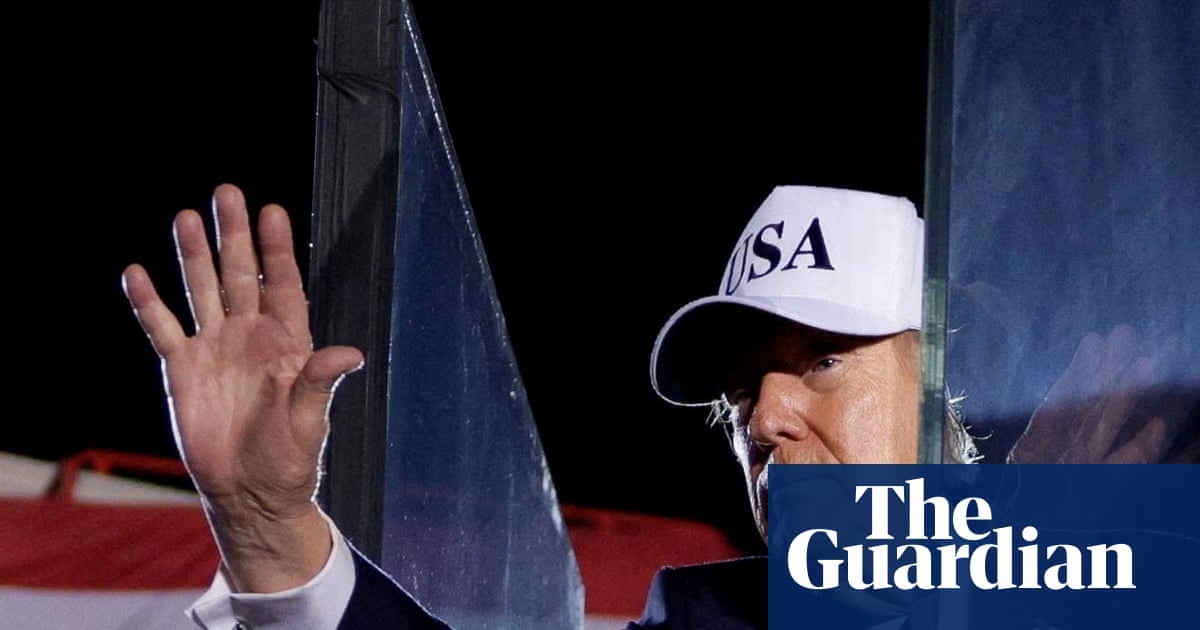
For the second year in a row, President Trump is attending the annual gathering of Southeast Asian leaders, a show of alliance to a region that the United States sees as a strategic and maritime counterweight to China.
But Mr. Trump will reach the gathering, held this year in Manila, only on Tuesday, just as the summit wraps up, and he is not expected to make any significant policies or diplomacy moves.
Mixed signals like this — to say nothing of Mr. Trump’s punishing tariffs — are adding to a widespread belief within ASEAN, the Association of Southeast Asian Nations, that the United States is not a reliable partner. That leaves the bloc balancing between Washington and Beijing, with which many of its members have deep trade partnerships.
“They’ve learned that the United States is not reliable, so a lot of the hedging has been away from the United States,” said Ted Osius, a former U.S. ambassador to Vietnam.
The Philippines, America’s oldest security ally in Asia, provides a window into this balancing act.
After taking office three years ago, President Ferdinand R. Marcos Jr. reversed his predecessor’s tilt toward China and pivoted back toward the United States. That stance contributed to many tense encounters between Filipino and Chinese vessels in the South China Sea, where Manila and Beijing have competing territorial claims.
Image







Comments