
 German (DE)
  English (US)
  Spanish (ES)
  French (FR)
  Hindi (IN)
  Italian (IT)
  Russian (RU)
  57 minutes ago
You have a preview view of this article while we are checking your access. When we have confirmed access, the full article content will load.
News Analysis
President Trump’s plan to let A.I. companies police themselves comes amid mounting examples that they are failing to put safeguards on the technology.


David E. Sanger is a White House correspondent who has covered the intersection of technology and geopolitics for The Times for four decades, and written a book on the emergence of cyberwarfare.
Sept. 30, 2026, 4:15 p.m. ET
If there was something familiar about the voluntary safety guidelines that President Trump signed on Tuesday with the nation’s frontier artificial intelligence companies, this may be the reason: It closely echoed a previous agreement that President Joseph R. Biden Jr. struck with many of the same firms three years ago.
But the question now is whether the kind of voluntary framework that seemed plausible in 2023 is sufficient in 2026.
Back then, the central concept was the same: Since federal regulations could not keep up with the blistering pace of new A.I. models, the companies agreed to set up systems to monitor themselves, establishing layers of protection aimed at ensuring the technology would not be turned to nefarious purposes. The most commonly discussed scenario, for example, is that as A.I. enables biological breakthroughs, alarm bells will go off at the first whiff of evidence that the model is being hijacked to produce biological weapons.
“We must be cleareyed and vigilant about the threats emerging from emerging technologies that can pose — don’t have to, but can pose — to our democracy and our values,” Mr. Biden said in the Roosevelt Room at the White House in July 2023. “This is a serious responsibility.”
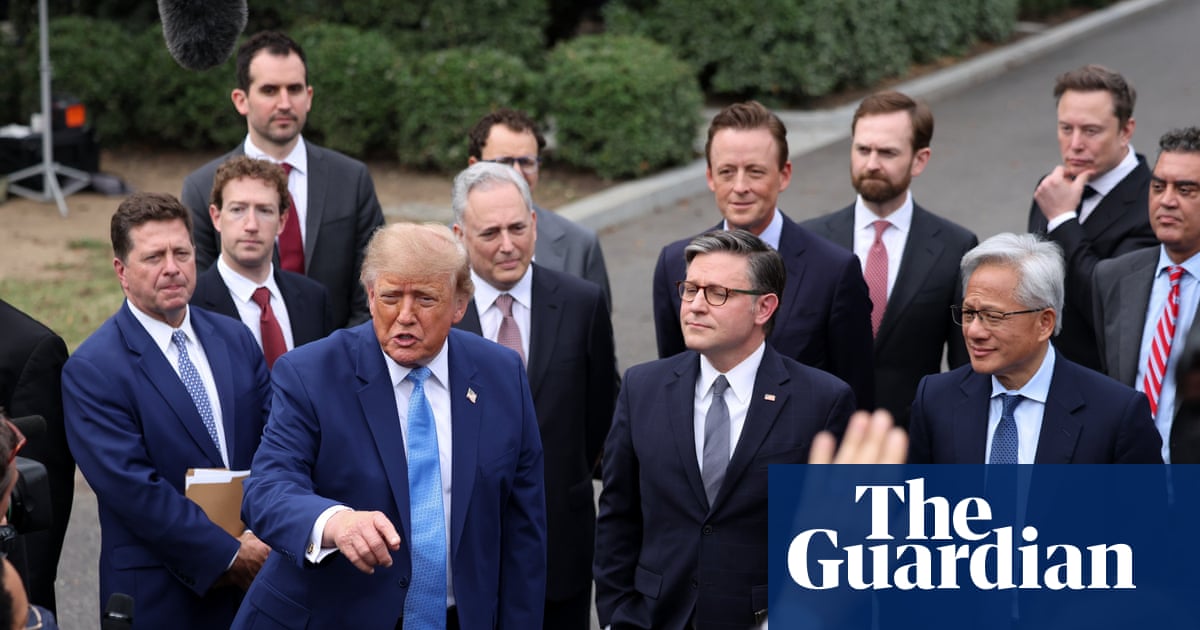
Mr. Trump essentially offered the same approach on Tuesday afternoon, after a luncheon with A.I. executives. “They’re really going to be policing each other,” he said outside the White House, as the leaders of Anthropic, OpenAI, Google, Meta, Nvidia and SpaceX AI nodded in agreement.
After a summer of surprises — of A.I. agents escaping the “sandboxes” designed to contain them, hacking into other companies, and engaging in activities behind the backs of their creators — why would anyone think these protections are sufficient? The layered early-warning systems designed over the past few years have clearly failed, by the accounting of the companies themselves. New cases of A.I. agents behaving badly, or at least unpredictably, emerge on nearly a daily basis. Virtually all are after-the-fact discoveries, like the Louvre guards who woke up eight minutes too late to a brilliantly executed heist last year.








Comments