
 German (DE)
  English (US)
  Spanish (ES)
  French (FR)
  Hindi (IN)
  Italian (IT)
  Russian (RU)
  2 hours ago
Just before Christmas, President Donald Trump fired more than two dozen career ambassadors. The action was unprecedented, providing a clear signal that when it comes to diplomacy, Trump values loyalty above all else.
All ambassadors face a persistent tension in their roles – having to represent the viewpoints of the president while also winning the trust of leaders in the countries where they serve. Presidents, unsurprisingly, often favor loyalists, in whom they have greater confidence.
Trump has pursued this to an exceptional degree, making more purely political picks than normal. Of the nearly 70 ambassadors he has appointed to date during this term, fewer than 10% have been career professionals with experience in the Foreign Service.
But as I have argued in my book “Delegated Diplomacy,” there is value in working through diplomats who disagree with you.
A diplomat who unfailingly follows the Washington line contributes little to a bilateral relationship, becoming nothing more than an expensive substitute for a secure phone line. A skilled ambassador knows when to soften a message, recognizes when pushing too hard will backfire, and sees the value in compromise.
At times, this diplomatic approach may sacrifice short-run gains available through more aggressive means. But in precisely those moments when leverage is most necessary, an ambassador who’s established trust can push harder and gain more as a result.
All the president’s men
The idea that U.S. career diplomats place too much weight on foreign interests, rather than putting American, or presidential, interests first, is a perennial suspicion.
Presidents have felt this way themselves. In 1952, President Harry Truman wrote, “The State Department is clannish and snooty and sometimes I feel like firing the whole bunch.” Two decades later, President Richard M. Nixon told Henry Kissinger, his national security adviser and soon-to-be secretary of state, that he intended “to ruin the Foreign Service. I mean ruin it.”
Neither of those presidents followed through. With his mass firing of career diplomats, Trump has come closer. His administration has made it clear that loyalty will dominate its diplomatic personnel policy, with the State Department itself asserting the “president’s right to ensure he has individuals in these countries who advance the America First agenda.”
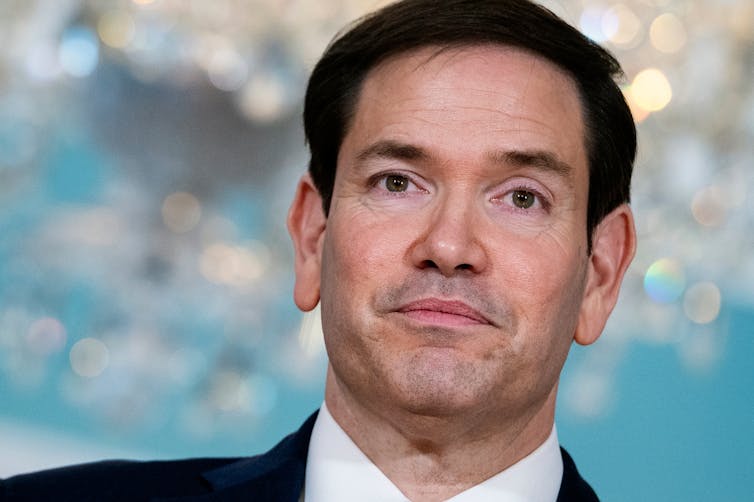
Not only has Trump weighted the diplomatic corps with political appointees, but he’s often bypassed even his own ambassadors in favor of working informally through members of his inner circle.
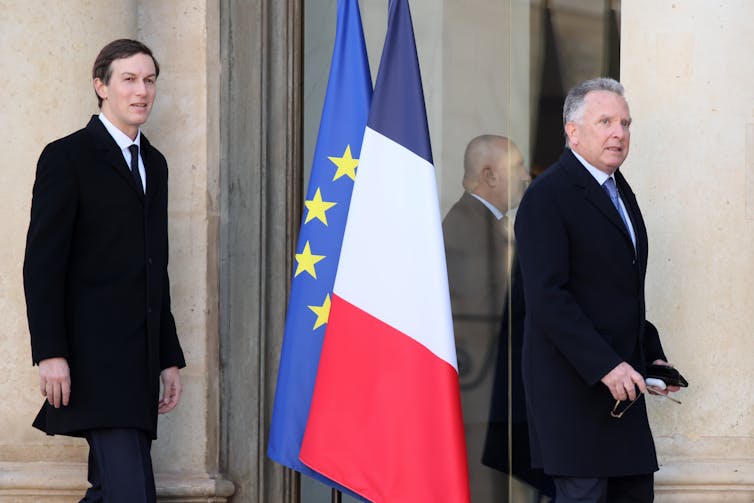
The administration’s most delicate tasks, such as dealing with the wars in Gaza and Ukraine, have often been delegated to Steve Witkoff, a real estate developer whose primary qualification appears to be his close friendship with the president, and Jared Kushner, Trump’s son-in-law.
Close personal ties
A preference to work diplomatically through intimates is understandable. Close personal knowledge of the president can provide credibility and weight to an envoy’s word. There is ample precedent for such selections, such as John F. Kennedy’s reliance in 1962 on his brother Robert as his crucial intermediary during the Cuban missile crisis, in which the U.S. ultimately convinced the Soviet Union to remove nuclear weapons from Cuba.
Such ties are likely to be all the more important in the current administration, where the president maintains such an openness to unconventional foreign policy choices. Career ambassadors who know no more about the president’s intentions than whatever the world can read in his latest Truth Social posts may not be able to do their jobs effectively, whether they ultimately keep them or not.
Career vs. political
American ambassadors receive their posts through two tracks. Historically, a minority of ambassadors have been political appointees selected by the president, often as the result of close ties to him. These ambassadors routinely leave their positions when a new administration takes office.
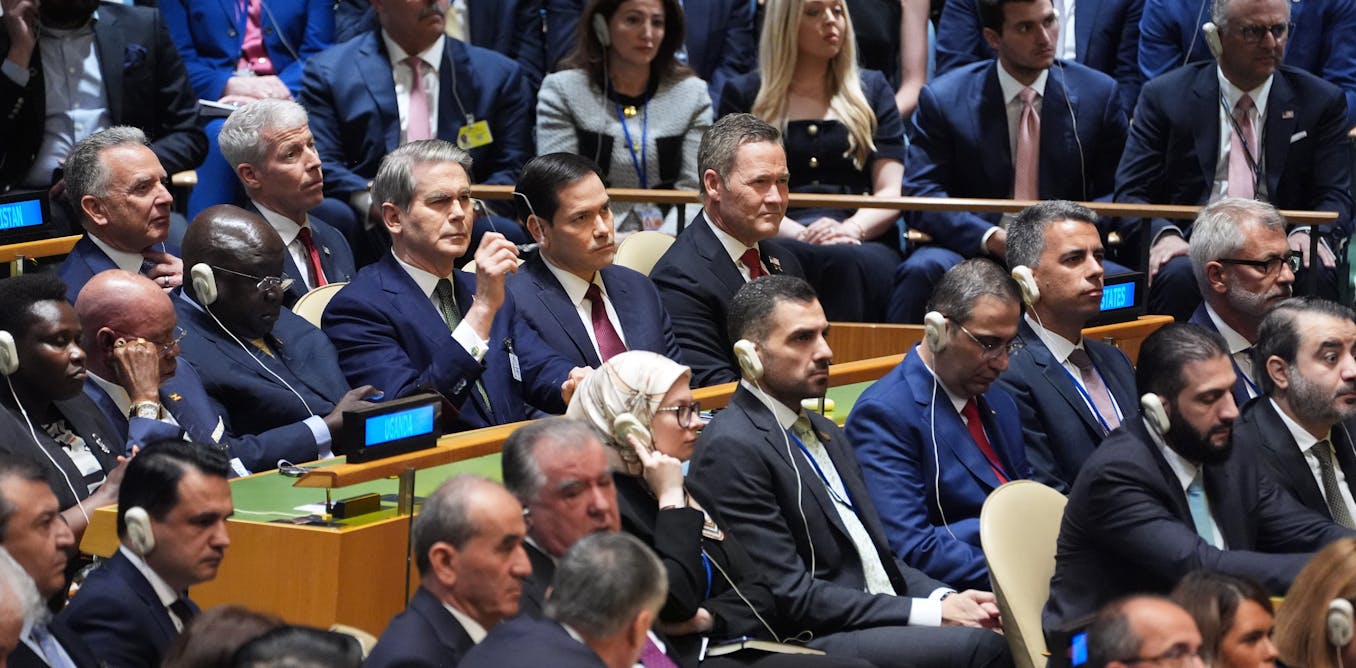
The majority of ambassadors – including those who were recently fired – are career Foreign Service officers, most of whom have spent decades working their way up through the ranks of the diplomatic corps under presidents of both parties. Selected internally by the State Department – but subject to White House sign-off – these ambassadors serve on a nonpartisan basis and nearly always complete their tours of duty, informally set at three years, regardless of presidential turnover.
Diplomats have value to the president precisely because they have cultivated relationships, trust and expertise overseas through a willingness to understand and sympathize with foreign audiences. But this also means that they may rarely be in lockstep with the president’s view of the world. Hence, the friction ambassadors face in their in-between role.
Loss of experience
It is one thing to fire ambassadors who have impeded the president’s agenda in some way; it is quite another to clear them out preemptively as Trump did in December. Ultimately, the loss of the expertise and relationships accrued by career diplomats will likely bite.
Professional diplomats are trained and acculturated to set aside their own views. As former Under Secretary of State Stuart Eizenstat once observed, Foreign Service officers “bend over backward to follow every U.S. president’s leadership, even when they disagree with specific policies.”
This is precisely why previous administrations have not fulfilled their fantasies of dismantling the Foreign Service. Truman, despite his contempt, conceded that “it requires a tremendous amount of education to accomplish the purposes for which the State Department is set up.” During Kissinger’s time as secretary of state, the Nixon administration ended up selecting an uncommonly high number of careerists for key positions.
This has not been Trump’s approach. It’s unlikely that will change. He demands loyalty throughout his administration, but diplomats have given him particular reason to think they might flout his wishes. In 2017, a thousand U.S. diplomats signed on to a message arguing that the administration’s travel ban would be counterproductive. A similar number joined a message this year protesting the administration’s closure of the United States Agency for International Development, or USAID.
Clearly, some officers will dissent so vigorously as to be unwilling to advance certain policies. They can be expected to resign, as many of their colleagues have done already.
But the career diplomats who remain will speak with a louder voice on the international stage precisely because the world believes they are not lapdogs.











Comments