
 German (DE)
  English (US)
  Spanish (ES)
  French (FR)
  Hindi (IN)
  Italian (IT)
  Russian (RU)
  2 hours ago
Senator Lindsey Graham on Monday questioned whether the United States should honor a long-sought defense agreement with Saudi Arabia, saying the kingdom’s refusal to join military operations against Iran made the partnership difficult to justify given that Americans were dying in a war Graham himself helped push the Trump administration to start.
In a post on X, Graham said the American embassy in Riyadh was being evacuated due to sustained Iranian attacks on Saudi soil, and expressed frustration that Riyadh had declined to participate militarily despite what he described as a shared interest in defeating Iran.
“Americans are dying and the US is spending billions to dislodge the terrorist Iranian regime,” he wrote. “Meanwhile, Saudi Arabia seems to be issuing statements and doing things in the background that are marginally helpful.”
He extended the pressure to the broader region: “Hopefully Gulf Cooperation Council countries will get more involved as this fight is in their backyard.” The post ended with a veiled threat: “If not, consequences will follow.”
Riyadh has been on the hunt for a formal US security guarantee modeled on Washington’s treaty with Japan that would commit the United States to help defend the kingdom against external attack. In May 2025, the Trump administration described a $142bn arms package with Riyadh as the largest defense cooperation agreement in US history, and in November it granted the kingdom major non-Nato ally status. A broader, binding mutual defense pact, however, remains unsigned.
The Saudi foreign ministry issued a response to the Iranian strikes earlier Monday, condemning the attacks as unjustifiable and stating that Riyadh retains “its full right to take all necessary measures to safeguard its security, sovereignty, and the safety of its citizens”. It made no mention of joining US military operations, and the embassy did not return a request for comment.
Graham’s threat carries weight less because of any direct leverage he holds over Riyadh and more because of the geopolitical influence he has demonstrated over the administration that started this war.
The Wall Street Journal reported that Graham spent months pressing Donald Trump to authorize strikes on Iran, first raising the idea during a round of golf shortly after the 2024 election. The senator made repeated trips to Israel, spoke with Saudi crown prince Mohammed bin Salman to signal that US strikes appeared likely, and said he advised Israeli prime minister Benjamin Netanyahu on how to approach the president.
Graham, in an interview with the outlet, said Israeli officials sometimes shared information with him that “our own government won’t tell me”.
He said he also worked with retired general Jack Keane and Washington Post columnist Marc Thiessen, a former chief speechwriter for George W Bush, who wrote opinion pieces and appeared on television in part to attract Trump’s attention – some of which Trump later shared on Truth Social.
On 28 February the United States began launching airstrikes against Iran in an operation codenamed Operation Epic Fury, alongside a simultaneous Israeli operation, killing Ali Khamenei, the supreme leader, and dozens of other senior officials.
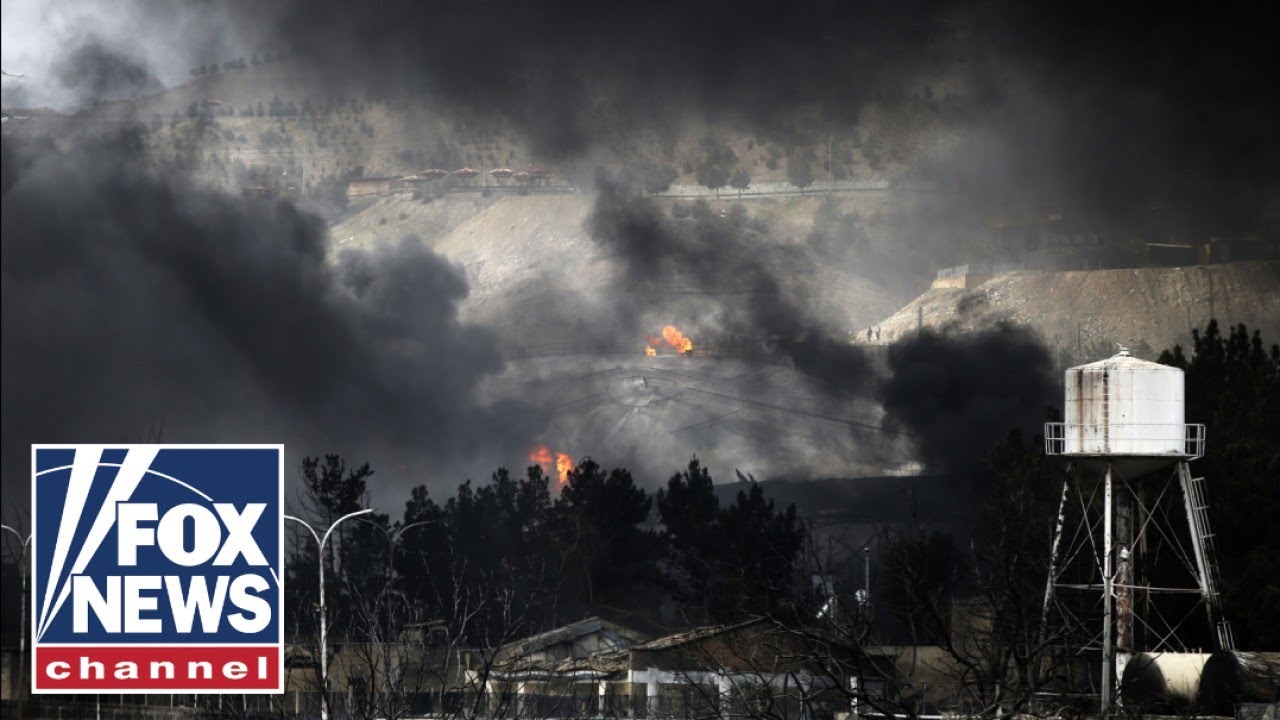
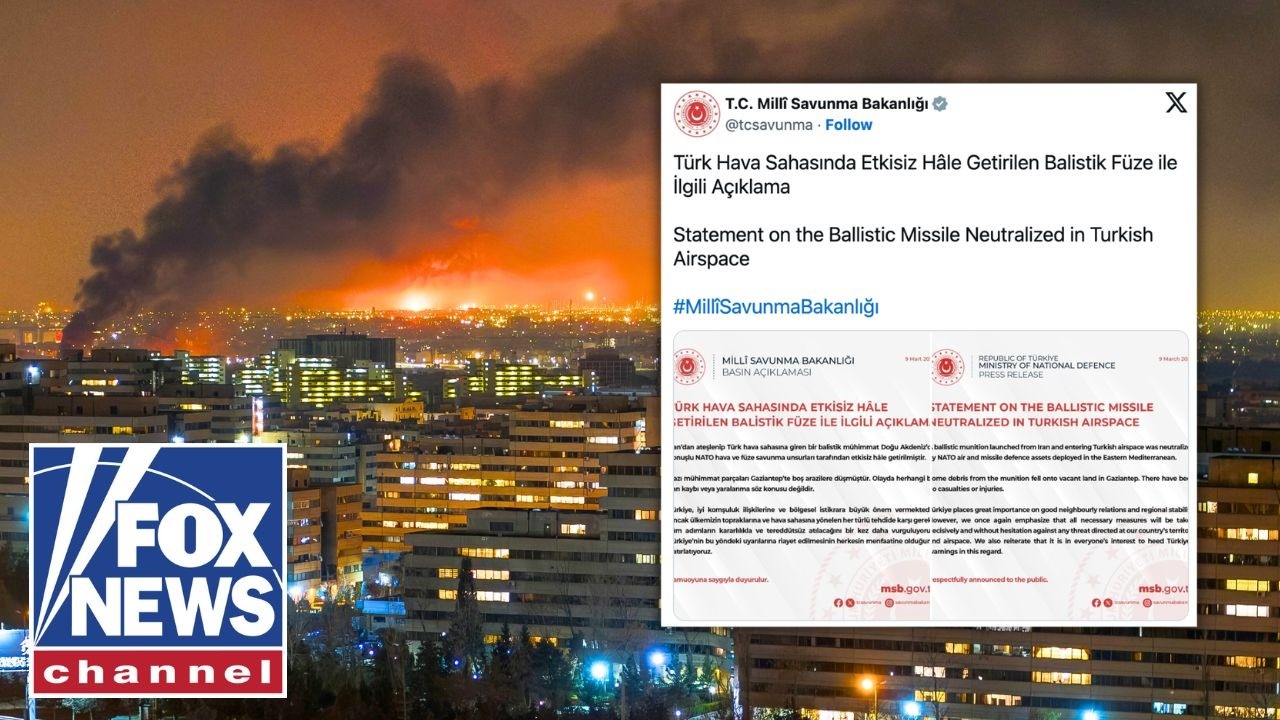
Iran responded with waves of missiles and drones targeting US military bases and allies across the region, which have so far killed seven American military personnel and wounded eight more.
Preliminary casualty figures stand at roughly 1,255 killed in Iran, which are mostly civilians, according to the health minister. It’s also killed at least 397 in Lebanon, 11 in Israel and several people have been killed across Gulf states, including four in the United Arab Emirates, according to officials.
The state department confirmed on Monday that more than 36,000 Americans have returned to the US from the Middle East since 28 February, with the government completing over two dozen charter flights.












Comments