
 German (DE)
  English (US)
  Spanish (ES)
  French (FR)
  Hindi (IN)
  Italian (IT)
  Russian (RU)
  1 hour ago
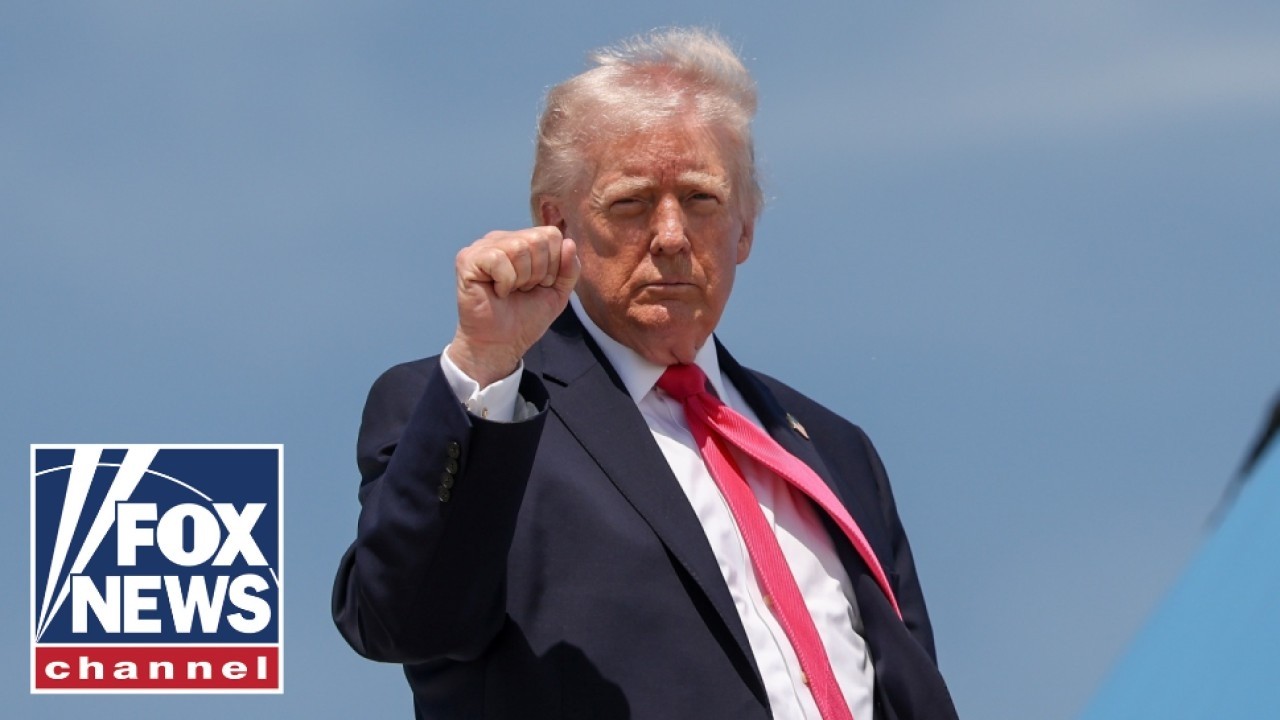
Donald Trump is not known for his reverence for the US constitution. But in his second term, he is doubling down on his claim from the first: that the text grants him “the right to do whatever I want as president”.
This is, to put it mildly, an extremely unusual interpretation of article 2. But it is the thread that draws together the headlines dominating recent days: a spate of supreme court rulings, mostly to his benefit, and the revelation that he has raked in $2bn since returning to office, half of it from cryptocurrencies.
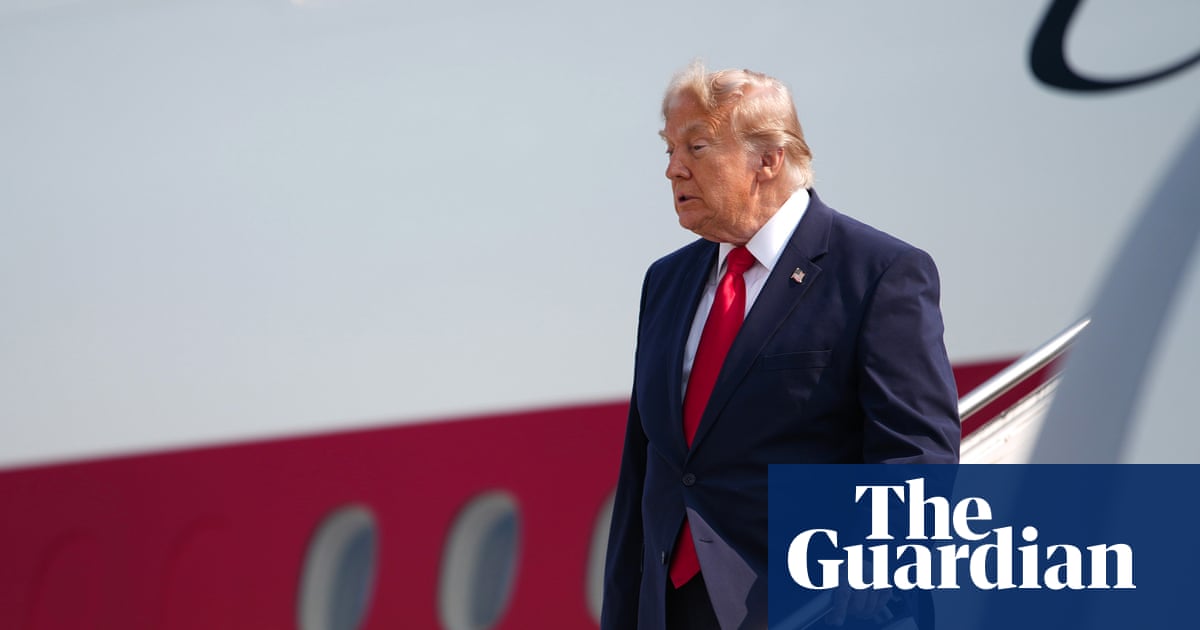
The 927-page document released on Tuesday by the US Office of Government Ethics sets out a dizzying array of income – not only from golf courses and Trump-branded bibles, but also from crypto, which he has relentlessly promoted, and lucrative overseas deals. Tribute flows from foreign nations. On Wednesday he took his first flight on the Boeing 747 gifted by Qatar.
The White House claim that there’s no conflict of interest over his enrichment is the corollary of his belief that there is no significant distinction between Trump the 47th president and Trump the man. Max Weber wrote that the bureaucracy of the modern state “segregates official activity … from the sphere of private life”, with relationships administered according to rules rather than “individual privileges and bestowal of favour”, while “office holding is not a source to be exploited for rents or emoluments, as was normally the case during the Middle Ages”. Mr Trump has turned the clock back, reinventing the modern executive as a feudal court.
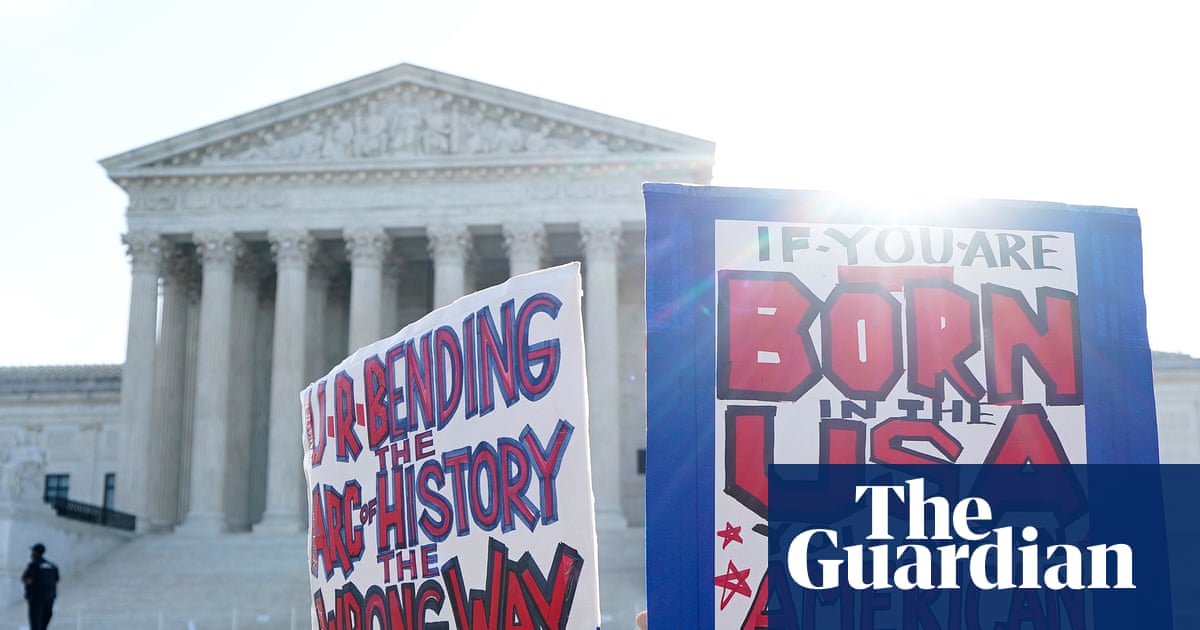
The supreme court sometimes rejects his maximalism, but far too rarely, and often when it affects Wall Street – as with tariffs or, this week, in rebuffing Mr Trump’s attempt to fire Lisa Cook as a Federal Reserve governor without cause. Its rejection of his challenge to birthright citizenship was necessary and welcome, but a very low bar to clear.
The court was right to defend the Fed; that makes it all the harder to justify giving the president sweeping control to fire the heads of formerly independent agencies at will, overturning a 1935 ruling. Authorising the administration’s ending of temporary protected status (TPS) for migrants is a terrible blow to tens of thousands of Haitians and Syrians, and beyond them, the 1.3 million people who could face deportation to countries that the US recognises as unsafe. But the broader implications are also alarming. The question for the supreme court was not whether the executive can ever terminate TPS, but whether it can be challenged when it fails to do so as required in law. The majority found against the right to recourse to the courts when the executive overreaches.
Carefully separated powers are being reintegrated, as legislation is ignored and the judiciary falls in line. As Justice Ketanji Brown Jackson wrote last year of the court’s recent tendencies: “This Administration always wins.” The case for supreme court reform is growing – thanks primarily to the actions of the court itself. These arguments deserve to be heard.
What really distinguishes Mr Trump’s court of fiat and favourites from its historical precedents is its sheer reach and impact, as evinced by the illegal Iran war. Important constraints of course remain, and must be defended. But as the US celebrates 250 years of independence under a president who wields more power than any monarch, it must ask itself how to reassert the checks he has destroyed.
-
Do you have an opinion on the issues raised in this article? If you would like to submit a response of up to 300 words by email to be considered for publication in our letters section, please click here.













Comments