
 German (DE)
  English (US)
  Spanish (ES)
  French (FR)
  Hindi (IN)
  Italian (IT)
  Russian (RU)
 Washington — The Senate took the first step toward funding the bulk of the Department of Homeland Security early Thursday after House GOP leaders reversed course and agreed on a plan to reopen most of the department while pursuing additional funding at a later date.
Senate Majority Leader John Thune took to the floor Thursday morning to send the House a measure that Senate Democrats and Republicans agreed to last week. It would fund all of DHS except for Immigration and Customs Enforcement and portions of Customs and Border Protection.
The House did not take action on the Senate bill when it convened for a brief pro forma session, meaning the DHS shutdown will continue until at least Monday. Most lawmakers from both chambers are away on recess until the week of April 13.
Democrats have opposed funding DHS' immigration enforcement operation since two deadly shootings by federal agents in Minneapolis earlier this year. And after negotiations stalled over reforms to ICE last week, the Senate moved forward with a plan to fund the vast majority of the department.
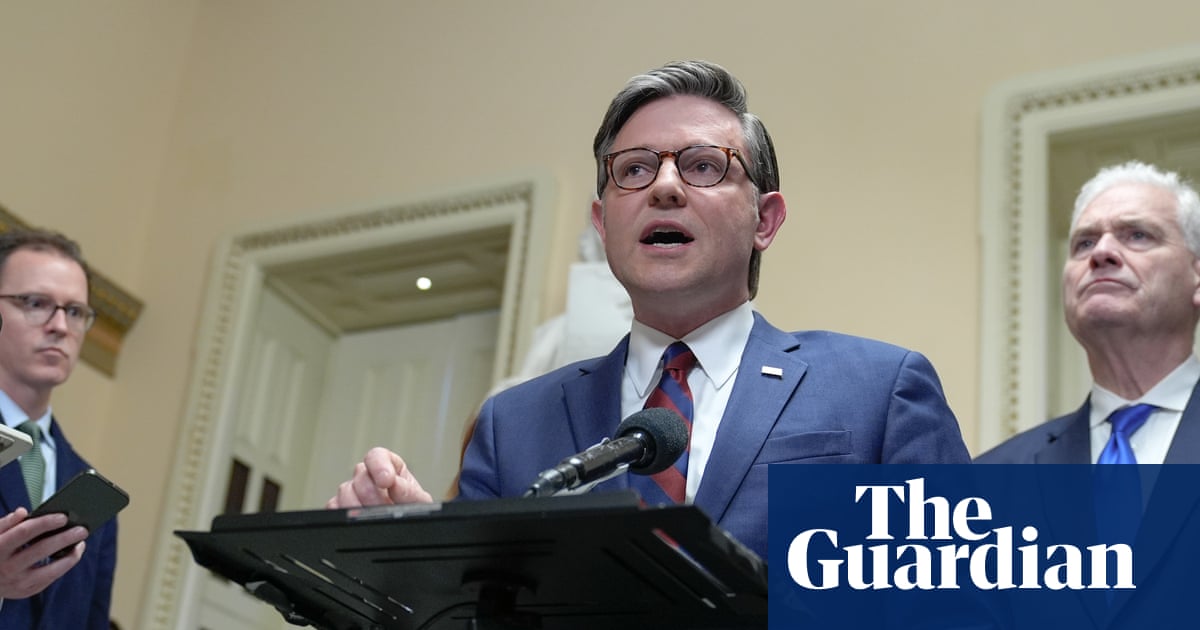
But the bill was quickly thwarted by the House. Amid opposition from conservatives, Speaker Mike Johnson opted to ditch the Senate plan and instead put forward a temporary measure to fund all of DHS. The House left town for recess, just a day after the Senate, with no bicameral path to fund the department.
Then on Wednesday, President Trump demanded that lawmakers fund ICE and Border Patrol through the reconciliation process, which allows Republicans to move forward with a bill without support from Senate Democrats. Hours later, Thune and Johnson said they would pursue funding for the immigration enforcement agencies for three years through the reconciliation process, while working to approve the other funding in the coming days.
The strategy mirrored the Senate's plan from last week to fund most of the department.
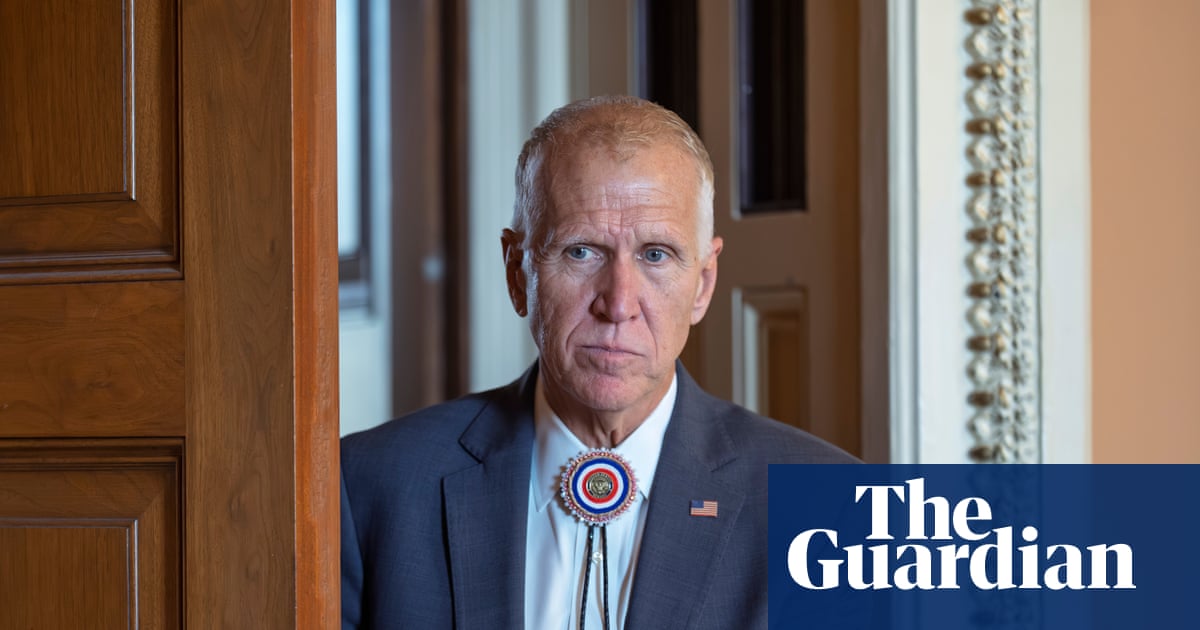
Thune told reporters Thursday that he didn't know the House's plan for passing the DHS funding bill, but "my assumption is at some point, hopefully they'll move it" with the understanding that a reconciliation bill will follow.
Asked by CBS News about what changed since the House rejected the Senate's plan last week, Thune said "there are just limited options."
"The thing that some people want to do, we can't do. And so you have to figure out what's in the realm of the possible and you have to just continue to define reality for people, what's achievable in the Senate, what we can get done," Thune said. "There were a number of conversations around it, but I think eventually people started homing in on that this is going to be a path forward that at least is a viable one."
After the bulk of DHS is funded, Republicans will turn their attention to reconciliation, with a deadline to get the bill on the president's desk by June 1. Thune said the Senate will "hop on it right away."
To get the reconciliation bill through the chamber quickly, the majority leader said Republicans are "singularly focused" on funding ICE and CBP, rather than attaching other priorities like the SAVE America Act or a potential Iran supplemental. But he acknowledged that there will likely be attempts to add to the package.
"Our theory of the case behind all this was to keep that thing as narrow and focused as possible," Thune said. "And that maximizes, I think, the speed at which we can do it and the support for it."
JPMorgan Chase CEO Jamie Dimon weighs in on Iran war's economic impacts
Hawaii doctor's son testifies that his father confessed to trying to kill his stepmother
Watch: Artemis II launches on historic moon mission | Special Report

















Comments