
 German (DE)
  English (US)
  Spanish (ES)
  French (FR)
  Hindi (IN)
  Italian (IT)
  Russian (RU)
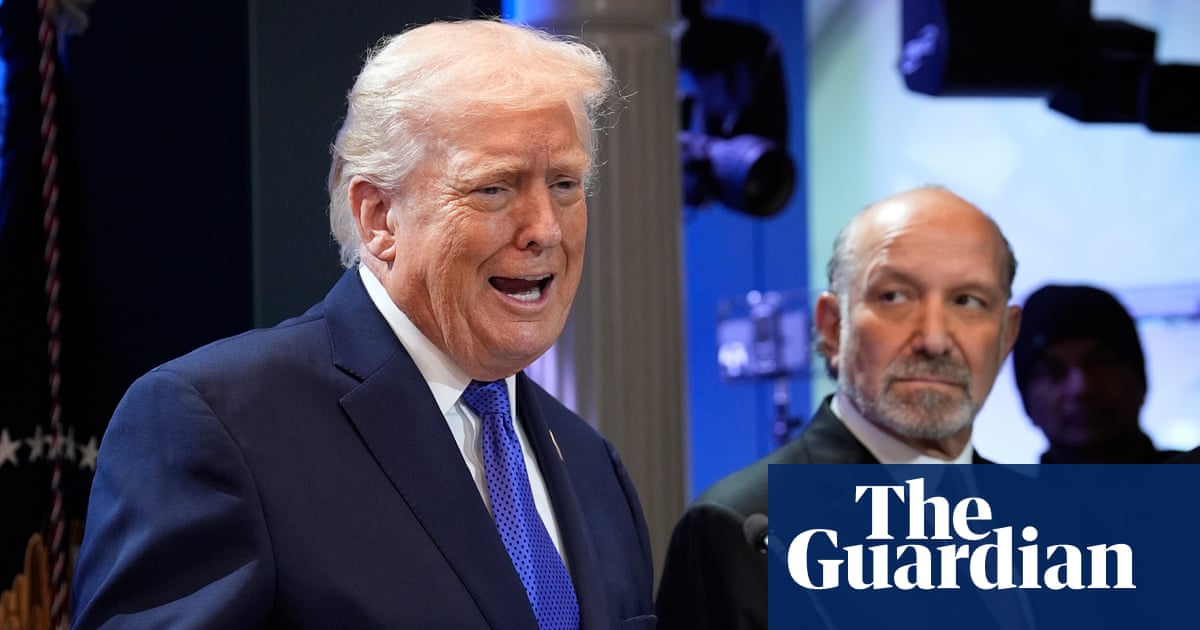
 NEW YORK (AP) — Businesses face a new wave of uncertainty after the Supreme Court struck down tariffs imposed by President Donald Trump under an emergency powers law and Trump vowed to work around the ruling to keep his tariffs in place.
The Trump administration says its tariffs help boost American manufacturers and reduce the trade gap. But many U.S. businesses have had to raise prices and adjust in other ways to offset higher costs spurred by the tariffs.
It remains to be seen how much relief businesses and consumers will actually get from Friday's ruling. Within hours of the court's decision, Trump pledged to use a different law to impose a 10% tariff on all imports that would last 150 days, and to explore other ways to impose additional tariffs on countries he says engage in unfair trade practices.
“Any boost to the economy from lowering tariffs in the near-term is likely to be partly offset by a prolonged period of uncertainty,” said Michael Pearce, an economist at Oxford Economics. “With the administration likely to rebuild tariffs through other, more durable, means, the overall tariffs rate may yet end up settling close to current levels.”
Efforts to claw back the estimated $133 billion to $175 billion of previously collected tariffs now deemed illegal are bound to be complicated, and will likely favor larger companies with more resources. Consumers hoping for a refund are unlikely to be compensated.
With Trump’s unyielding position on tariffs, many business are braced for years of court battles.
Basic Fun, a Florida-based maker of toys such as Lincoln Logs and Tonka trucks, last week joined a slew of other businesses in a lawsuit seeking to claw back tariffs paid to the government.
While company CEO Jay Foreman is concerned about any new tariffs Trump may impose, he doesn’t think they will affect toys. Still, he said, “I do worry about some type of perpetual fight over this, at least for the next three years.”
The new 10% tariff Trump announced Friday immediately raised questions for Daniel Posner, the owner of Grapes The Wine Co., in White Plains, New York. Since wine shipments take about two weeks to cross the Atlantic, he wonders if a shipment arriving Monday will be affected.
“We’re reactive to what’s become a very unstable situation,” Posner said.
Ron Kurnik owns Superior Coffee Roasting Co. in Sault Ste. Marie, Michigan, across the border from Canada. In addition to U.S. tariffs, Kurnik faced retaliatory tariffs from Canada for much of last year when he exported his coffee.






Comments