
 German (DE)
  English (US)
  Spanish (ES)
  French (FR)
  Hindi (IN)
  Italian (IT)
  Russian (RU)
  4 hours ago
Alison Holt,Social affairs editorand Joe McFadden,Social affairs reporter

 BBC
BBC
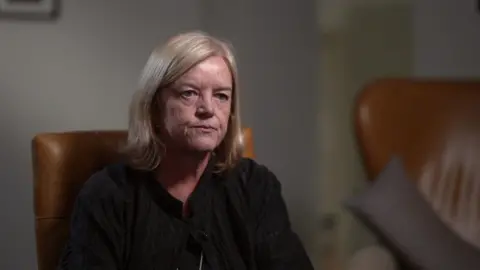
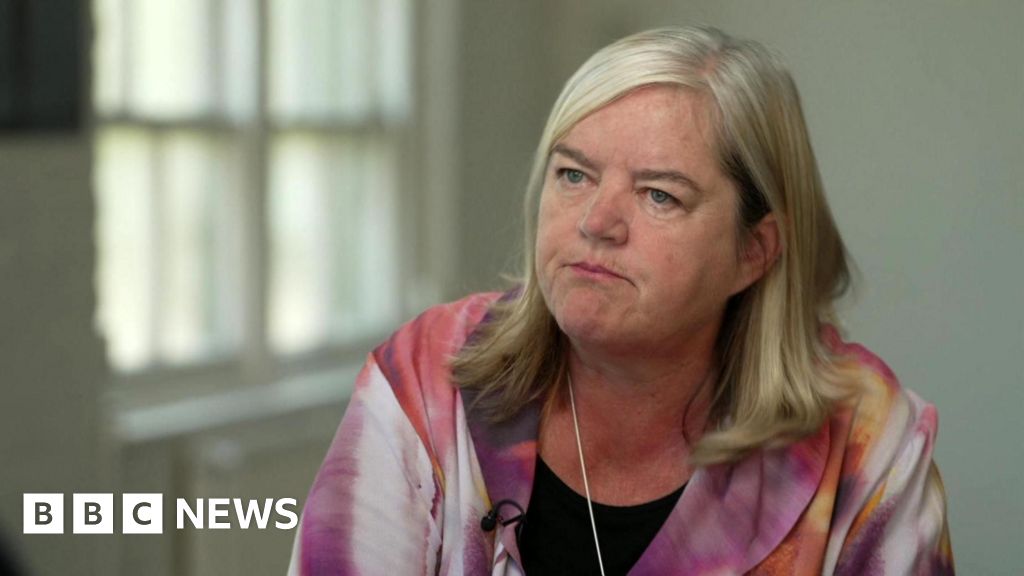
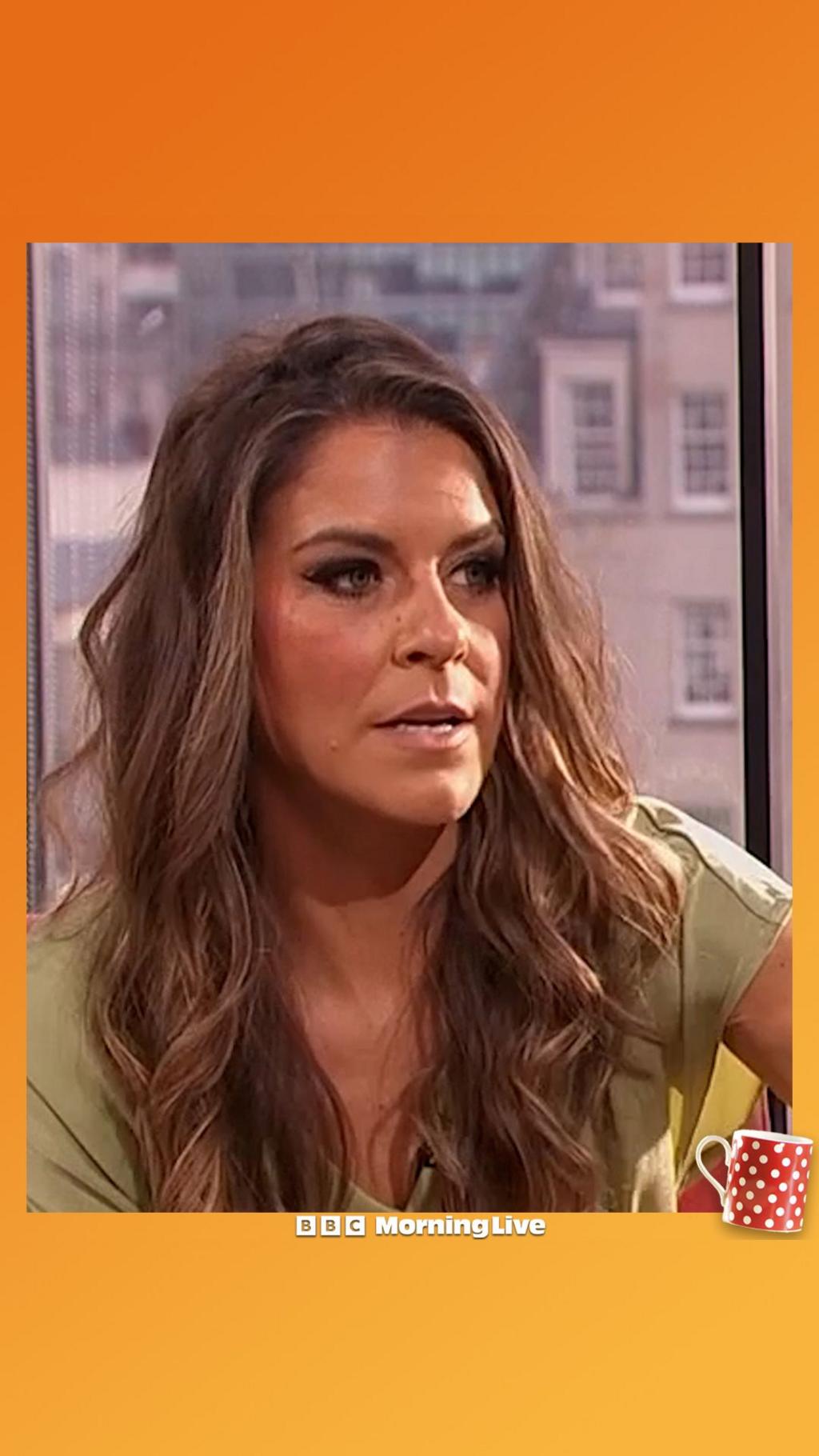
Baroness Casey spoke to the BBC about her recommendations for addressing failings in social care
The care system that supports older and disabled people in England is cobbled together and confusing, according to Baroness Louise Casey, who has the task of reforming it.
Speaking on Thursday afternoon, Casey, who chairs the independent commission on adult social care, highlighted the "deep and fundamental divide" between health and social care.
She said the UK is facing a "moment of reckoning" in social care and called on the government to take action immediately to address current failings.
These include establishing a national adult safeguarding board, introducing a full-time dementia tsar, and creating a new fast-track passport for people diagnosed with motor neurone disease (MND).
Giving her first assessment of the problems since the commission started work last year, Casey described social care in England as "a system which means some needs are barely met at all, and others are met late and in piecemeal and random ways".
She also pointed to a total reliance nationally on underpaying care workers and an imbalance in power between the NHS and council-run social care, which she says ends up serving the institutions not people.
"This divide between what is care and what is health does not exist to the public. It is our divide. It is not about what is best for the patient or the person.
"Put simply, social care does not start and end with a social worker doing an assessment, or you ending up in a care home," she said.
In her speech, she described two NHS hospital trusts that tried to set up their own care services but discovered they could not make it "stack up" financially because anyone working in the NHS is better paid, and has better terms and conditions, than care staff.
"We all know, including councils and the NHS, that we exploit the weakness of the care workforce," she told the audience of health and social care professionals in Windsor.
Care workers often earn less than the minimum wage and are often not paid for travel or holidays.
In an interview with the BBC, Casey added that she would like the government to "press on" with their fair pay commitment while ensuring that taxpayers' money is "being spent well, and being spent properly".
She also described the experiences of people trying to access social care in England as "horrendous" and said that the UK is facing "seismic changes" more than 80 years on from the landmark Beveridge report, which paved the way for the welfare state and NHS.
Casey wants the government to implement her interim recommendations in full and believes a 'stock-take' is needed to create an adult social care system which meets the needs of the current population.
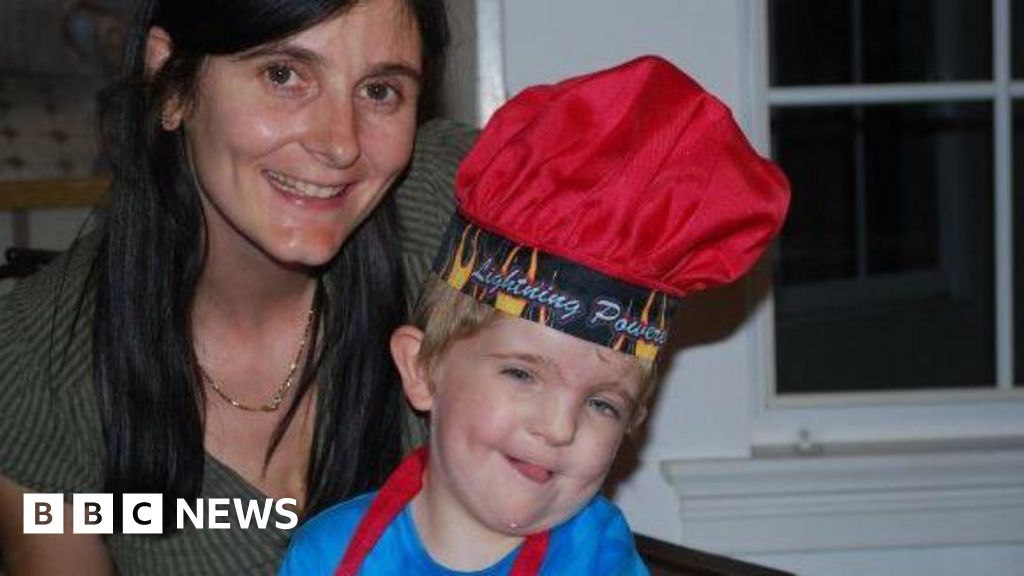
She says that families of those with dementia "bear the brunt" with little information or support, while people diagnosed with MND, whose life-expectancy is short, still face multiple assessments and means tests.
"If we can't look after people that get the diagnosis of motor neurone disease, which is one of the most brutal and predictable diseases, using this collective NHS and social care system, who can we look after?" Baroness Casey said.
Casey also said that cross party support would be needed to bring about the fundamental change required and called for politicians to stop using the issue as "political football".
She described the care system as fragile and divided, with drawn out discussions over who pays for what, making it anxiety-laden and confusing for those who need support.
The independent commission started work last summer.
It has been examining the problems facing the care system in England and is due to produce a report this year with a plan for how to create a National Care Service. Phase two, which will look at how social care is funded in the longer term, is not due to report until 2028.
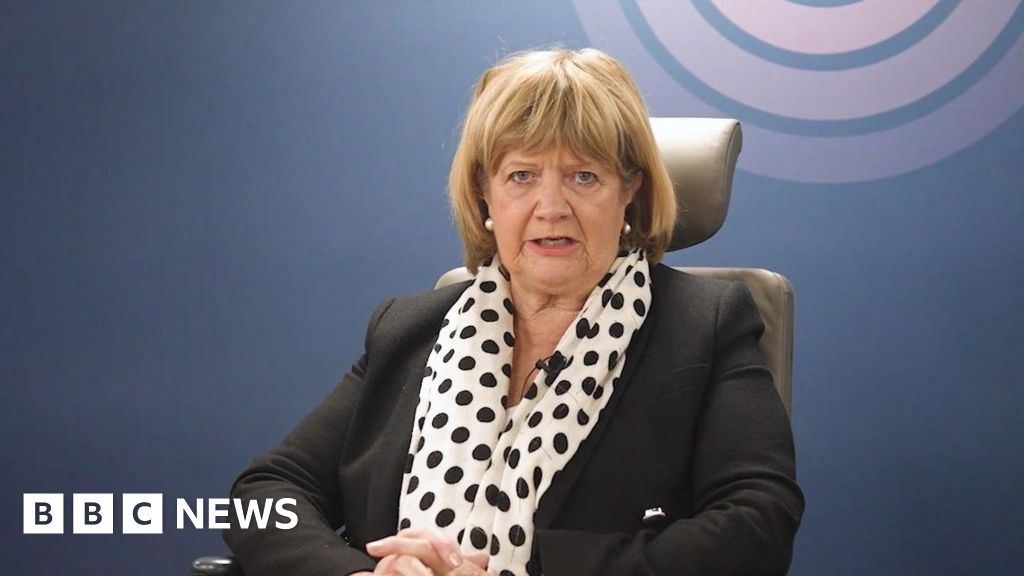
The Association of Directors of Adult Social Services the Baroness' speech "shines a welcome light on adult social care – an issue that has been missing from our national debate for far too long".
The MND Association also said it was "heartened" to see Baroness Casey had listened and recommended the need for a fast-track passport enabling people with MND to secure the care and support they need.
"A third of people diagnosed with MND die within 12 months, and too often care and support are delivered far too late. People with a disease as devastating as MND should never have to fight to access the services they need," the charity said.
Liberal Democrat Leader Ed Davey said Baroness Casey was "right to highlight how broken the care system is" but asked why the government was still dragging its feet.
"Starmer and Streeting have wasted a whole year with nothing to show for it," he said.
"We can't let 2026 go the same way, while elderly people suffer and hospitals are filled with people waiting for care."





Comments