
 German (DE)
  English (US)
  Spanish (ES)
  French (FR)
  Hindi (IN)
  Italian (IT)
  Russian (RU)
  3 hours ago
Two Democratic US lawmakers on Monday called for a permanent solution to crises confronting Cuba after they visited the island to witness the effects of an American energy blockade.
US House members Pramila Jayapal of Washington and Jonathan Jackson of Illinois met with Cuban president Miguel Díaz-Canel and foreign minister Bruno Rodríguez as well as members of Cuba’s parliament during a five-day trip ending on Sunday.
“I denounced the criminal damage caused by the blockade, particularly the consequences of the energy siege decreed by the current US government and its threats of even more aggressive actions,” Díaz-Canel wrote on X.
He said he had “reiterated the willingness of our government to sustain a serious and responsible bilateral dialogue, and to find solutions to the existing differences”.
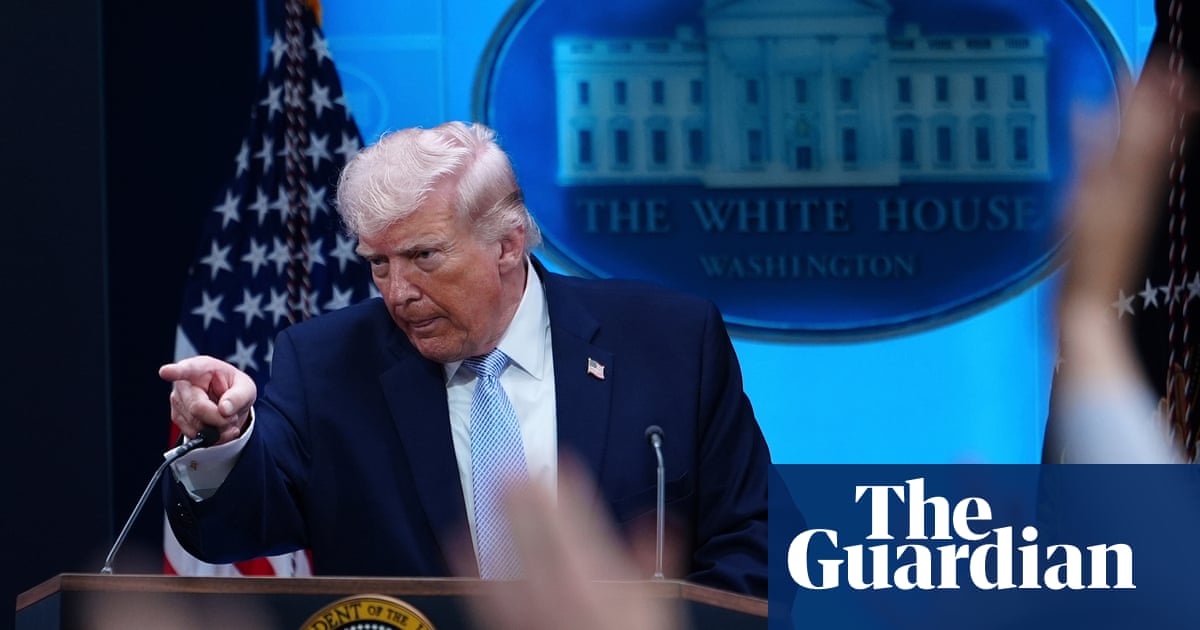
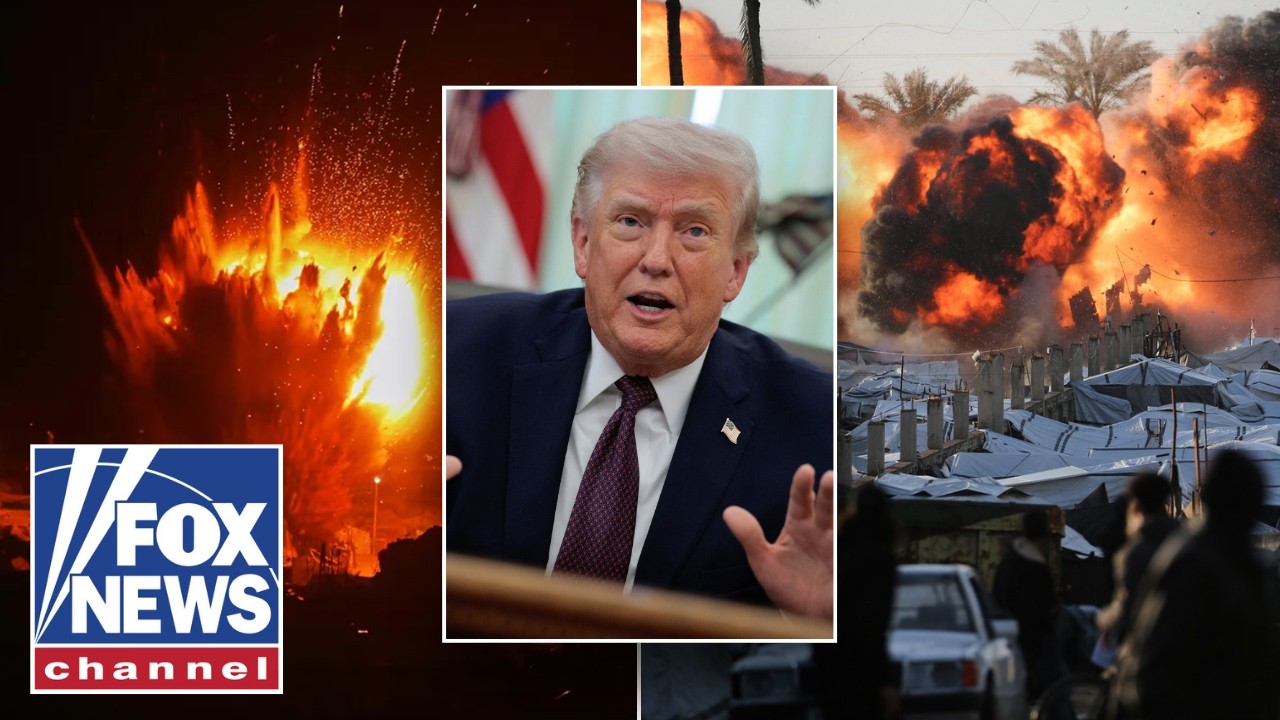
Donald Trump has signaled a potential “friendly takeover” of Cuba while Díaz-Canel seeks economic cooperation without sacrificing sovereignty.
“This is cruel collective punishment – effectively an economic bombing of the infrastructure of the country – that has produced permanent damage,” Jayapal and Jackson said in a statement released on Sunday. “It must stop immediately.”
The United States and Cuba have acknowledged that high-level talks are ongoing, led by Marco Rubio, the US secretary of state. Those talks follow a US oil blockade after the American president issued executive orders to threaten tariffs on nations supplying fuel to Cuba in January.
Oil shipments from critical regional partner Venezuela were halted after the US attacked the South American country in early January and arrested its leader, Nicolás Maduro.
That led to acute fuel shortages causing national blackouts, gasoline shortages and rationing, lack of public transport and cuts in working hours. It also paralyzed hospitals and surgeries and caused suspension of flights, among other things.
A sanctioned Russian oil tanker, the Anatoly Kolodkin, was permitted to dock at Cuba’s Matanzas oil terminal on 30 March, and it unloaded 700,000 barrels of crude in an apparent relaxation of US policy. Experts have said that the shipment could produce about 180,000 barrels of diesel, enough to feed Cuba’s daily demand for nine or 10 days.
At the end of her and Jackson’s visit, Jayapal told reporters she believes that steps taken by Cuba – including the opening the economy to certain investments by Cuban Americans living abroad and the announcement that more than 2,000 prisoners would be pardoned – “indicate that the moment is here for us to have a real negotiation between the two countries and to reverse the failed US policy of decades”.
Jaypal called that policy “a cold war remnant that no longer serves the American people or the Cuban people” and called the oil shipment – with a second expected soon – a temporary solution.
“We need a longer, permanent solution for the Cuban people and the American people,” she said.
Jackson compared the oil blockade of Cuba to restrictions on oil passing through the strait of Hormuz. He called Cuba “the most sanctioned part of Earth”.
“Our government is fighting to keep the strait of Hormuz open so there is a free flow of oil around the world,” he said. “We want, for humanitarian reasons, a free flow of oil, fuel, and energy in our own hemisphere.”
Jackson said on X in March: “Trump’s cruel blockade has collectively punished the Cuban people and led to inhumane conditions.” He called for the lifting of the embargo and economic cooperation.
For more than 60 years, Jackson added, “the US has pushed a counterproductive embargo that brought pain to generations of Cubans and further eroded their pursuit of freedom. Cubans deserve to decide their own future – not wannabe colonizers like Donald Trump.”
The Associated Press contributed reporting










Comments