
 German (DE)
  English (US)
  Spanish (ES)
  French (FR)
  Hindi (IN)
  Italian (IT)
  Russian (RU)
  2 hours ago
US diplomats have been ordered to return to using Times New Roman font in official communications, with secretary of state Marco Rubio calling the Biden administrations decision to adopt Calibri a “wasteful” diversity move, according to an internal department cable seen by Reuters.
The department under Rubio’s predecessor Antony Blinken switched to Calibri in 2023, claiming the modern sans-serif font was more accessible for people with disabilities because it did not have the decorative angular features and was the default in Microsoft products.
But a state department cable dated 9 December sent to all US diplomatic posts said that typography shapes the professionalism of an official document and Calibri is informal compared to serif typefaces.
“To restore decorum and professionalism to the Department’s written work products and abolish yet another wasteful DEIA program, the Department is returning to Times New Roman as its standard typeface,” the cable said.
“This formatting standard aligns with the President’s One Voice for America’s Foreign Relations directive, underscoring the Department’s responsibility to present a unified, professional voice in all communications,” it added.
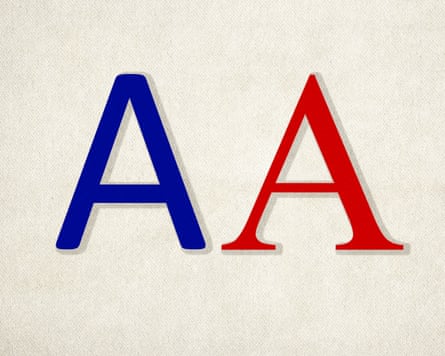
The change to Calibri in 2023 was recommended by diversity and disability groups in the US government, according to US media reports. Some studies have suggested that sans-serif fonts, such as Calibri, are easier to read for those with certain visual disabilities.
The state department did not immediately respond to a request for comment from Reuters.
After taking office in January, Trump moved quickly to eradicate federal DEI (diversity, equity and inclusion) programmes and discourage them in the private sector and education, including by directing the firing of diversity officers at federal agencies and pulling grant funding for a wide range of programmes.
DEI policies became more widespread after nationwide protests in 2020 against police killings of unarmed Black people, spurring a conservative backlash. Trump and other critics of diversity initiatives say they are discriminatory against white people and men and have eroded merit-based decision making. Supporters of DEI measures say they serve as a counter to the biases that quietly endure in so-called colour-blind and merit-based societies.









Comments