
 German (DE)
  English (US)
  Spanish (ES)
  French (FR)
  Hindi (IN)
  Italian (IT)
  Russian (RU)
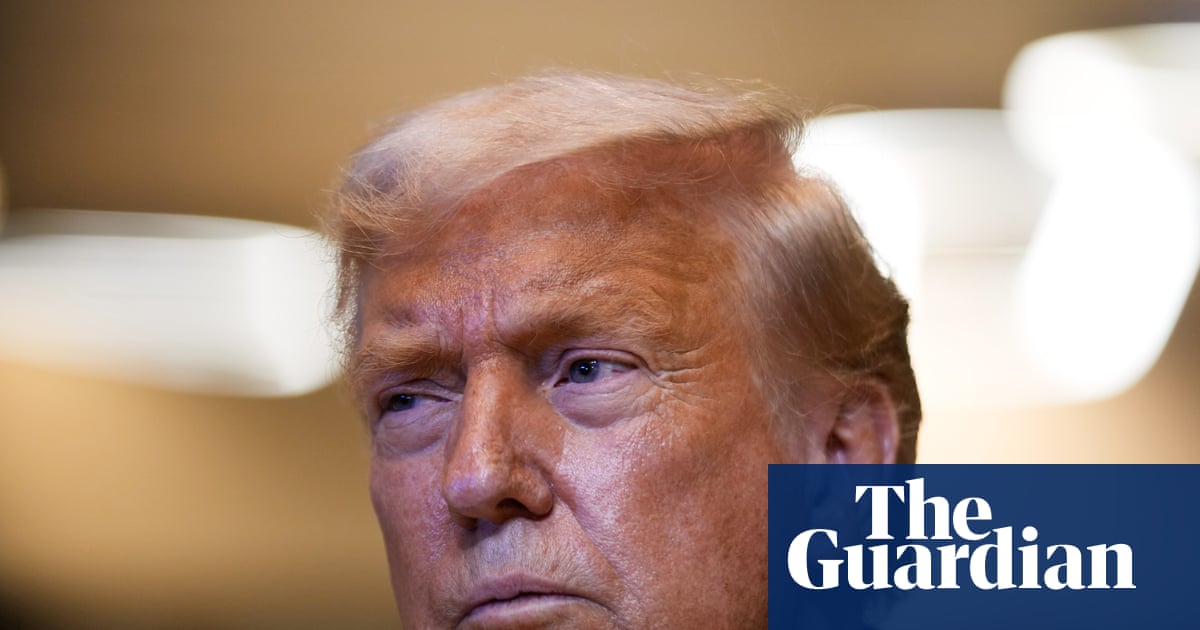
 BRUSSELS (AP) — European Union leaders are gathering for emergency talks on Thursday to chart a new course in transatlantic relations after a tumultuous two weeks dominated by U.S. President Donald Trump's renewed threats to take control of Greenland.
On the eve of their summit, Trump dramatically backed away from his insistence on “acquiring” Greenland, a semiautonomous territory of Denmark. For the first time, he said that he would not use force to seize the island. Trump also dropped his threat of slapping tariffs on eight European nations supporting Denmark.
Yet nothing suggests that the unpredictable U.S. leader won’t change his mind again. European Commission President Ursula von der Leyen this week cast doubts over his reliability after he appeared ready to renege on an EU-U.S. trade deal sealed in July that was meant to end further tariffs.
“In politics as in business – a deal is a deal. And when friends shake hands, it must mean something,” von der Leyen told EU lawmakers on Tuesday.
No details of the hastily agreed “framework” deal that sparked Trump’s extraordinary reversal have been made public, and doubts about it persist. Danish Prime Minister Mette Frederiksen insists that her country will not negotiate away its sovereignty.
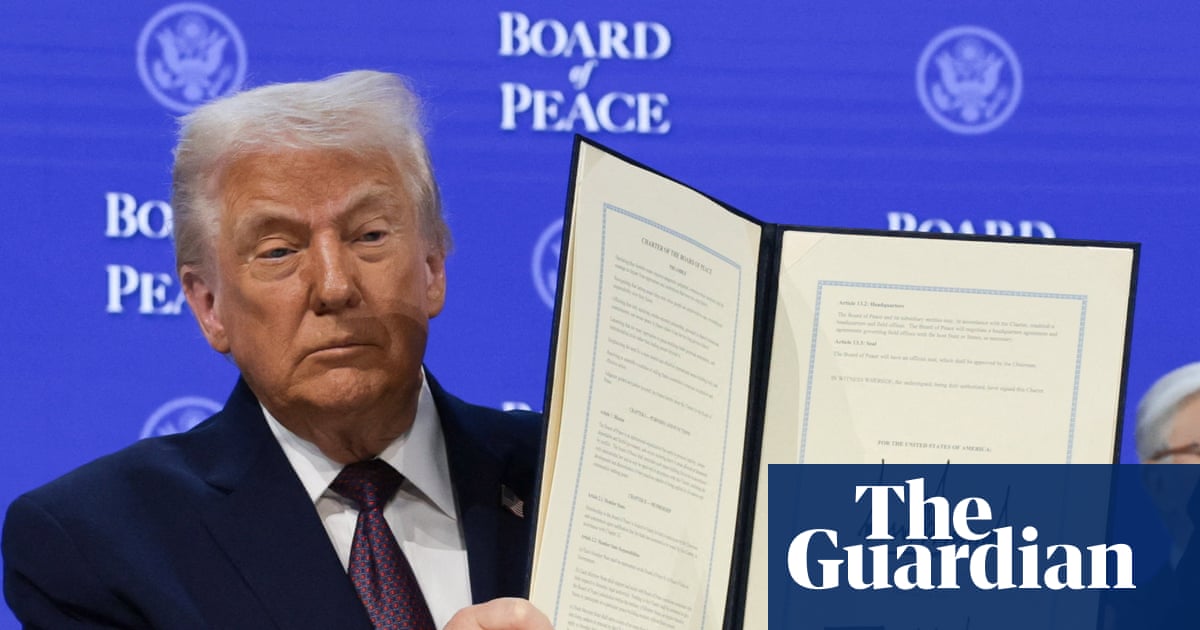
European leaders are also expected to agree on a joint approach to Trump's proposed “Board of Peace,” which was initially envisioned as a small group of world leaders overseeing the Gaza ceasefire but has grown into something far more ambitious.
On Thursday, days after telling the prime minister of Norway in a text message that he no longer felt “an obligation to think purely of Peace,” Trump put the spotlight on the proposed board at Davos.
Trump has spoken about the board replacing some of the functions of the United Nations.
Some European countries have declined invitations to join. Norway, Slovenia and Sweden said they won’t take part. Told that President Emmanuel Macron was unlikely to join, Trump said: “I’ll put a 200% tariff on his wines and champagnes and he’ll join.”
Germany has offered a guarded and noncommittal response to Trump’s invitation, but Hungary has accepted.
On the eve of the meeting, the man who will chair it, European Council President António Costa, said that the Trump administration poses a challenge to Europe’s security, principles and prosperity.
“All these three dimensions are being tested in the current moment of transatlantic relations,” Costa said.
After consulting the leaders, Costa said they are united on “the principles of international law, territorial integrity and national sovereignty,” something the EU insists on as it defends Ukraine against Russia, and which Trump has threatened in Greenland.
In a speech to EU lawmakers in Strasbourg, France, he also insisted that “further tariffs would undermine transatlantic relations and are incompatible with the EU-US trade agreement.” EU lawmakers must endorse that deal but on Wednesday they put a hold on their vote over Trump’s threats.
EU leaders have been galvanized by Trump’s bullying over Greenland, and are rethinking their relations with an unpredictable America, their long-time ally and the most powerful member of NATO.
“Appeasement is always a sign of weakness. Europe cannot afford to be weak — neither against its enemies, nor ally,” Polish Prime Minister Donald Tusk, a staunch supporter of strong transatlantic ties, posted on social media on Tuesday.
Von der Leyen, who manages trade on behalf of EU countries, warned that the bloc is “at a crossroads.” Should tariffs come, she said, “we are fully prepared to act, if necessary, with unity, urgency and determination.”
She also told the lawmakers that the commission is working on “a massive European investment surge in Greenland” to beef up its economy and infrastructure, as well as a new European security strategy.














Comments