
 German (DE)
 English (US)
 Spanish (ES)
 French (FR)
 Hindi (IN)
 Italian (IT)
 Russian (RU)
 10 hours ago
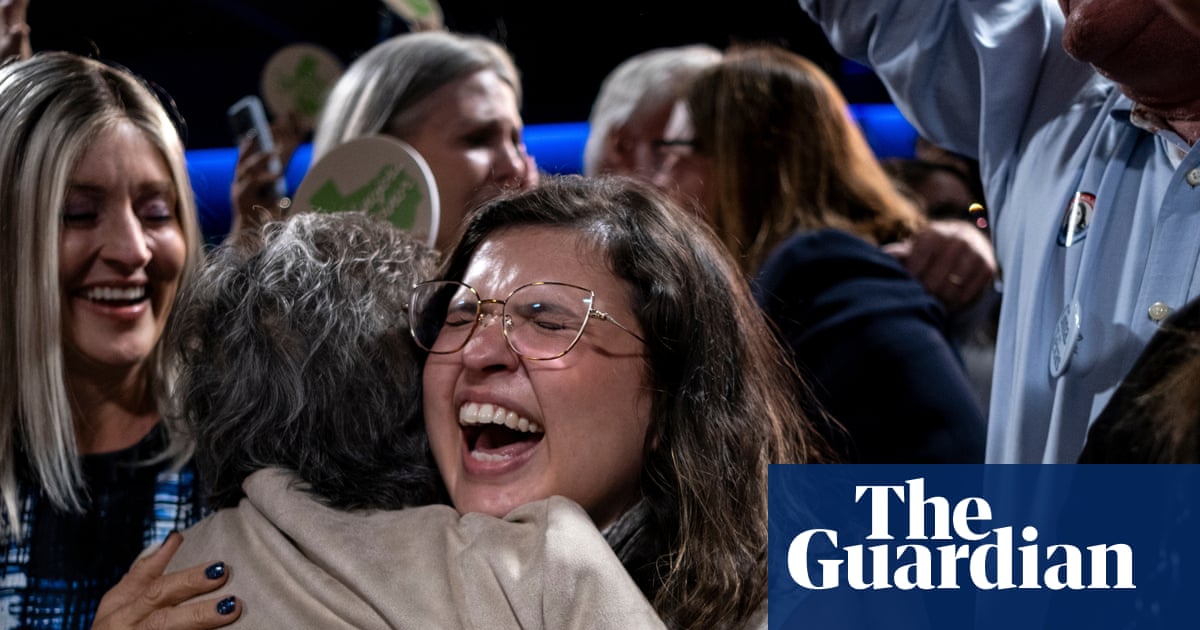
There were three big losers in Tuesday’s midterm elections in the US: Donald Trump, Elon Musk and datacenters.
Datacenters, the facilities full of semiconductor chips that power artificial intelligence and a host of other online products, were on the ballot in elections in at least 40 jurisdictions across 10 states. Voters responded with a strong rebuke of the giant buildings, which have has become a symbol of the tech industry and AI.
In Ohio alone, at least 14 municipalities passed bans or restrictions on datacenter development, including in Sunbury, where Amazon has proposed a $2m datacenter project. In Maine, eight municipalities passed temporary datacenter moratoriums. In Emporio, Kansas, where a 1,000-acre gigawatt-scale datacenter was recently proposed, a ban on high-impact datacenters was approved by voters.
Voters approved nearly every datacenter moratorium that was on the ballot, dozens in total, with one notable exception: Hardwood, North Dakota. The small city of a population of less than 1,000 people voted down a bill that would impose restrictions on datacenter development.
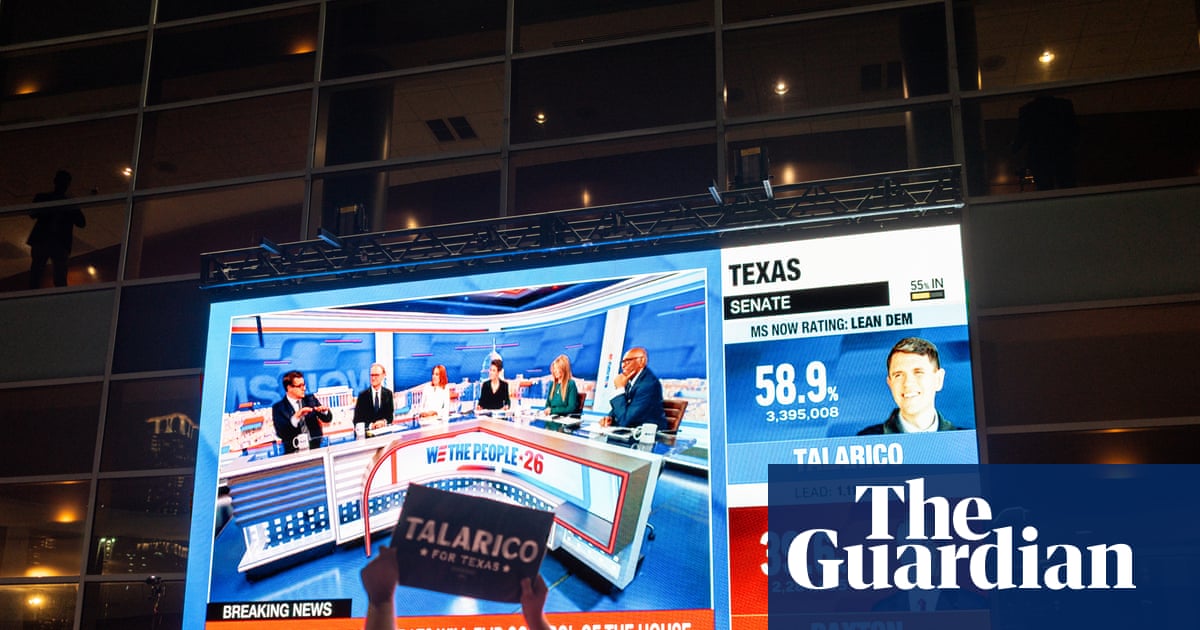
Where datacenters were not explicitly on the ballot, officials who have pushed back against their development were elected. In Texas, Democrat Gina Hinojosa, who secured a historical victory as governor on Tuesday night over her Republican opponent, has promised to impose moratoriums on their construction. She has pledged to implement greater restrictions on and community input into whether datacenters can be built. Towards the end of his tenure, Greg Abbott, her Republican opponent, had also tried to capitalize on anti-datacenter sentiment, demanding an end to electricity subsidies for them. He reversed his previous stance that had welcomed datacenters to the state.
Keisha Lance Bottoms, who became governor of Georgia, and Amy Acton, the newly elected governor of Ohio, have also pledged to implement moratoria on the construction of large datacenters.
Anti-datacenter sentiment has grown in the last few months has become a bipartisan issue. In May, Florida governor Ron DeSantis signed a bill imposing strict regulations on large-scale datacenters. Still, last night’s election solidified the overwhelming opposition to these centers of compute that have come to serve as a stand-in for the ultra wealthy and resource extraction by the AI industry.
“Data centers in space looking pretty appealing right now,” Elon Musk, who poured over $400m into supporting conservative candidates, posted on X.
Analyst Dan Ives said the results of the midterms are a clear sign that the pace of datacenter buildout will start to slow down.
after newsletter promotion
“There is no way to sugarcoat that Democrats taking control especially over the Senate will create some major hurdles for AI and tech legislation in the Beltway over the next two years,” Ives said. Ives said he was particularly worried about Hinojosa who is a “known anti-datacenter politician”.
“The biggest worry of the night for tech investors and the AI trade was around the state of Texas where 25%-30% of data center gigawatts and capacity will come from,” he said.










Comments