
 German (DE)
  English (US)
  Spanish (ES)
  French (FR)
  Hindi (IN)
  Italian (IT)
  Russian (RU)
  12 hours ago

 Getty Images
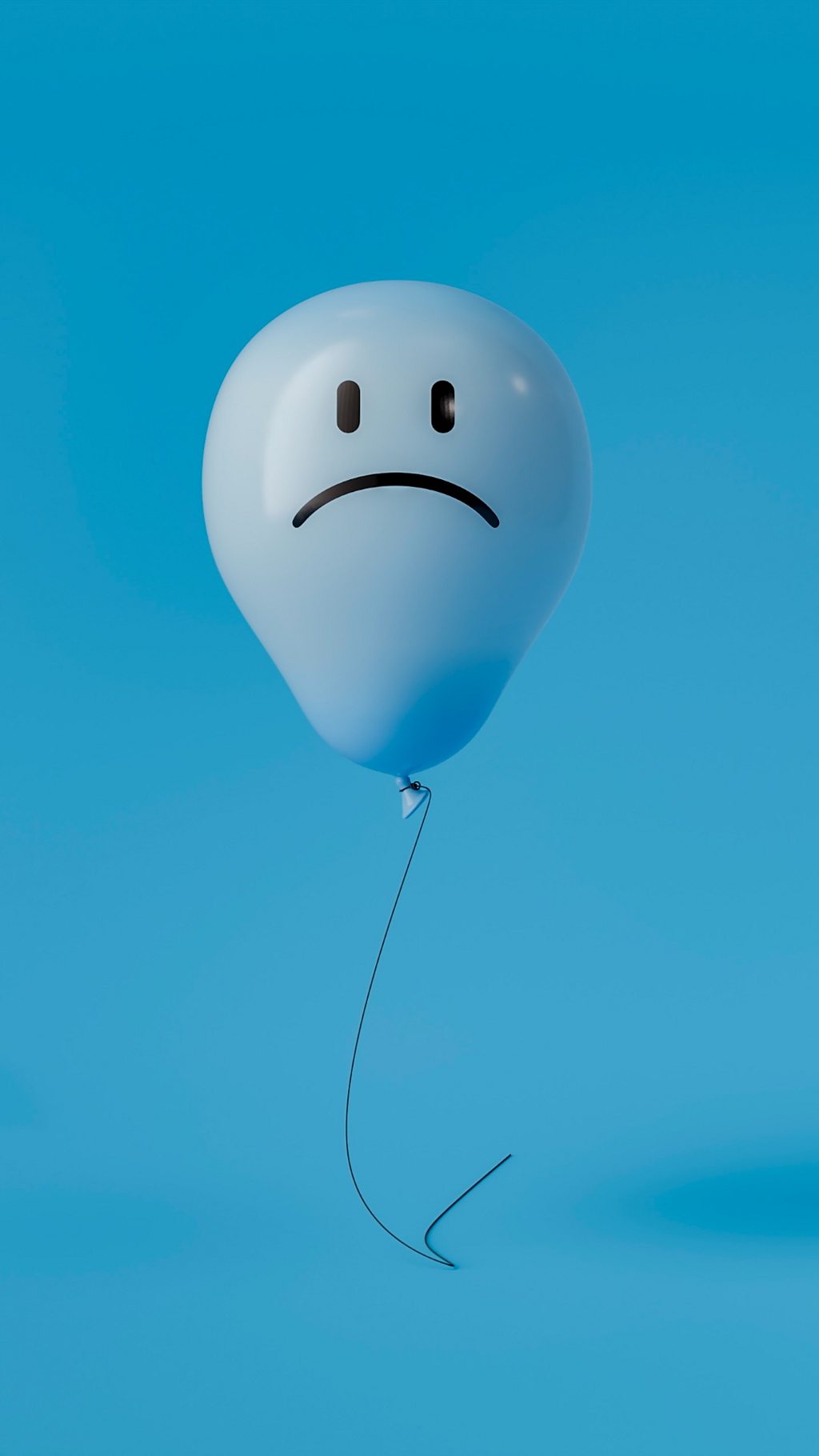
Blue Monday is discussed every year, even though experts reject the idea
Christmas is over, it's cold and dark outside and you may be in an endless cycle of doomscrolling.
Blue Monday - also known as the most depressing day of the year - has been trending online.
According to TikTok, the number of posts tagged with the term has grown year-on-year to 68,600 - a 35% increase.
It might feel relatable after the past year but, unsurprisingly, there's nothing scientific about it.
The name was reportedly coined by psychologist Cliff Arnall in 2004, it falls on the third Monday in January every year.
This has been disputed by others over the years.
He came up with it after a holiday company asked him for a "scientific formula" for the January blues.
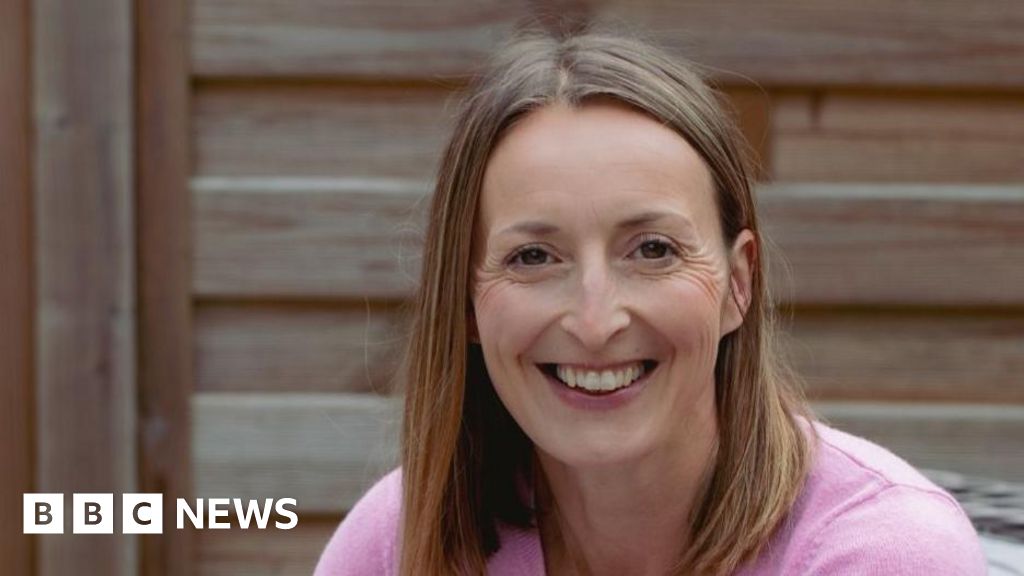
 Sophie West
Sophie thinks Blue Monday can be damaging to those with mental health issues
Sophie West, from Kent, has suffered with panic attacks and anxiety since the age of seven.
The 28-year-old thinks labelling one day a year can be damaging for people dealing with their mental health issues.
"I think Blue Monday is a load of rubbish to be honest. A completely made-up marketing gimmick - it's just a label on an ordinary day," Sophie told BBC Newsbeat.
"But the messaging about it being the 'most depressing day of the year' can be daunting for people who already have a mental illness.
"We all have our good and bad days and they have nothing to do with a random made-up day in January.
"I like to plan ahead - so if I look at a day and see that it's labelled the most depressing day of the year I'll get anxious about that and think that I need to be happy on that day."
 Philip Clarke
Dr Philip Clarke says Blue Monday isn't scientifically proven
Dr Philip Clarke, a senior lecturer in psychology at the University of Derby, agrees.
"I started speaking out against Blue Monday when I saw companies were trying to use it as an excuse to sell things," he told Newsbeat.
"I can understand why people would feel down in January, you've just come off Christmas - spending a lot of time with family, overindulging and it's a lot darker outside.
"The key thing to remember is that Blue Monday isn't scientifically proven - there's not even proof January sees a rise in mental health referrals although it may seem that way," he said.
However, he feels a "really strong benefit" of the concept is that it does get people having those "difficult conversations" about depression and anxiety and "what you can actually do to help with that".
There have been suggestions to turn Blue Monday into Brew Monday - with mental health charity Samaritans encouraging a chat with family and friends over a virtual cup of tea.
Top Tips
 Getty Images
Increasing physical activity can be a good way to help your mental health
Although Philip thinks it's important not to confuse feeling low with depression, he has tips everyone can use for better mental health.
- Exercise
"Exercise is a fantastic thing people can be doing as it releases happy endorphins and chemicals. It doesn't have to be exercise in the gym because that can be off-putting for some people," he said.
"It just about increasing your physical activity."
- Assess your New Year's resolutions
"A lot of people fail their New Year's resolutions within two or three weeks," he noted.
"But if you have failed, look at why and use that as a learning experience.
"This gives people hope that they can still work towards a goal for the year and not beat themselves up about it."
- Volunteering
"One reason people love Christmas isn't necessarily the receiving, but the pleasure they get from helping people," he added.
"This can be a good way to get a happy boost with no financial implications."
- You can visit BBC Action Line for further help and support.
A version of this story was last published in 2025.

Listen to Newsbeat live at 12:45 and 17:45 weekdays - or listen back here.












Comments