
 German (DE)
  English (US)
  Spanish (ES)
  French (FR)
  Hindi (IN)
  Italian (IT)
  Russian (RU)
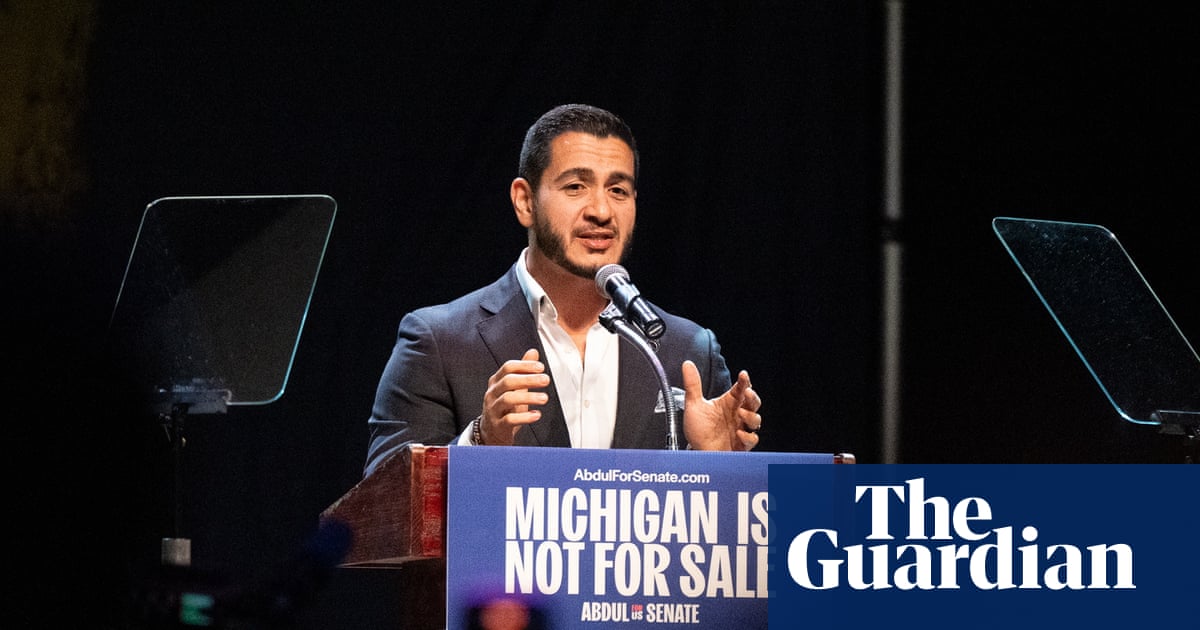
 Former public health official Abdul El-Sayed is projected to win the Democratic primary for Michigan's U.S. Senate seat, defying more than $50 million worth of super PAC spending supporting his opponent to claim one of the biggest victories in the history of the modern progressive movement.
El-Sayed topped moderate Rep. Haley Stevens (D-Mich.) and will now face former Rep. Mike Rogers, the Republican nominee, in November in a major test of whether progressives can triumph in the nation's most critical battleground states.
Politics: A Man Died After Being Detained By ICE — And They Didn't Report It, Congressman Says
The race was unexpectedly close. Polls in the weeks leading up to the contest had pointed to a double-digit win for El-Sayed, but Stevens turned in an unexpectedly strong performance in many parts of rural Michigan where progressive candidates have won in the past.
Progressives will nonetheless count his narrow victory as a rebuke to the establishment of both parties.
A brash and unapologetic personality, El-Sayed campaigned with the backing of Sen. Bernie Sanders (I-Vt.) and Rep. Alexandria Ocasio-Cortez (D-N.Y.) and summarized his campaign with a pithy three-part slogan: "Money out of politics, money in your pocket and Medicare for all." He defined himself in part by his enemies, regularly noting a super PAC with ties to the American Israel Public Affairs Committee spent more than $30 million opposing his candidacy.
Like this article? Keep independent journalism alive. Support HuffPost.
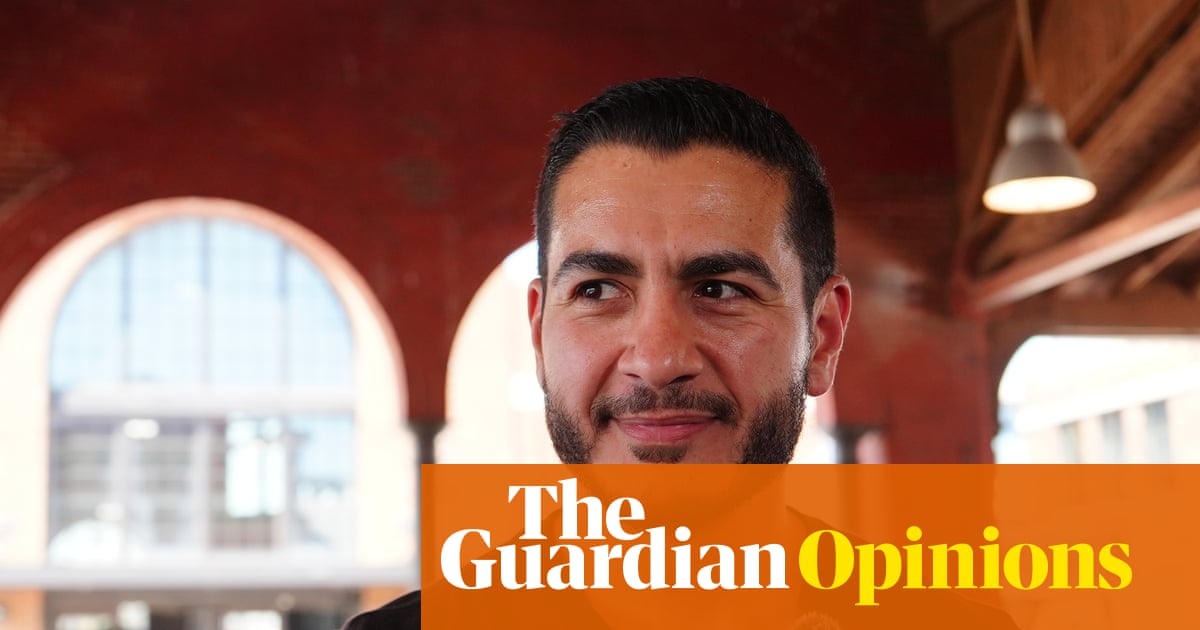
Abdul El-Sayed, a progressive candidate in the Democratic primary for U.S. Senate in Michigan, visits Eastern Market on Tuesday in Detroit. Julia Demaree Nikhinson/AP
Stevens, the preferred candidate of Senate Minority Leader Chuck Schumer and Democratic Senatorial Campaign Committee Chair Kirsten Gillibrand, proved to be an awkward-at-best fit for the Democratic primary electorate. A longtime ally of AIPAC, she favored unquestioned weapons transfers to Israel, a nation most Democratic voters believe is committing genocide. She welcomed corporate PAC donations and tried to focus her campaign on revitalizing manufacturing in Michigan.
Stevens also attracted the near-unanimous support of the local party establishment, with outgoing Sen. Gary Peters, former Sen. Debbie Stabenow and Gov. Gretchen Whitmer all endorsing her and insisting she gave the party the best chance to win in November.
Rep. Haley Stevens speaks to members of the media after casting her ballot at a polling location in Birmingham, Michigan, on Tuesday. Sarah Rice/Bloomberg via Getty Images
Republicans will welcome an El-Sayed victory, believing he will be the easier candidate to defeat in November. But the political environment distinctly favors Democrats, and El-Sayed has already declared his intention to attack Rogers harshly.
Compared with some other progressive candidates, El-Sayed boasts traditional credentials. The son of Egyptian immigrants, he was the class speaker at his graduation from the University of Michigan and a Rhodes scholar. He graduated from medical school but decided to become a professor and public health official rather than go through a residency after realizing how many people struggled to afford care.
He left his position as Detroit's public health officer to run for governor in 2018, losing badly in the Democratic primary to Whitmer. He became a podcaster with Crooked Media, was a prominent surrogate for Sanders' 2020 presidential bid and then became the lead public health official in Wayne County, Michigan.









Comments